


 Menu
Menu


Tech Confex 2025: Lessons in sustainability – ‘Where there’s green, there’s gold’
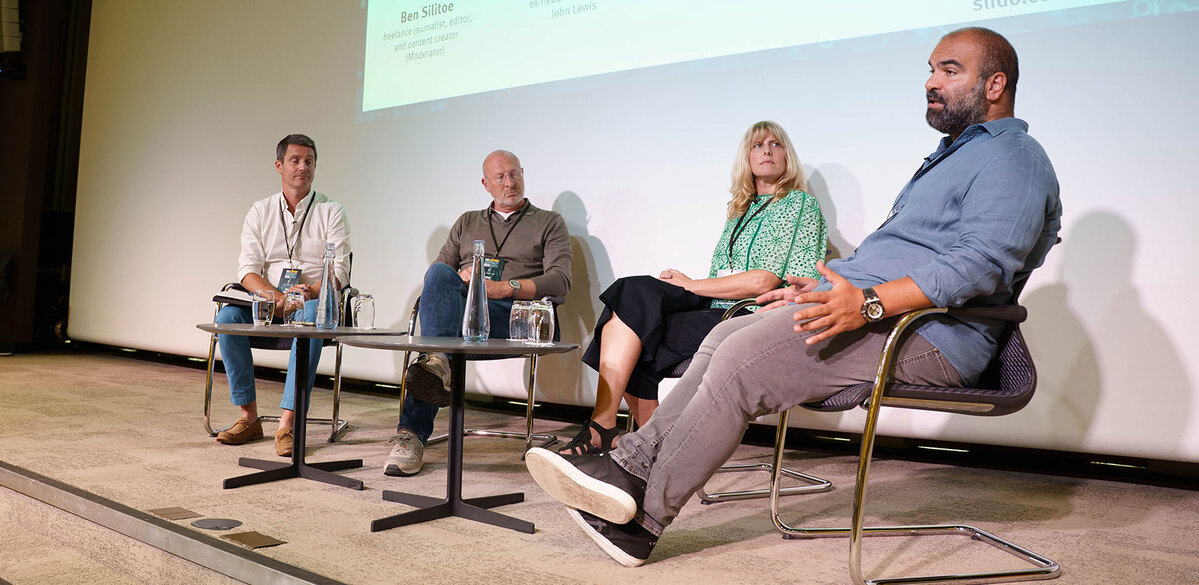
The relationship between efficiency and environmental sustainability was explored by technology leaders at The Caterer’s Tech Confex, with operators urged to just “crack on” with improvements
Adopting more sustainable thinking in IT strategy is good for business and the planet, leaders from the hospitality industry were told last week at The Caterer’s Tech Confex 2025, sponsored by Ruckus Networks, in central London.
And as imminent environmental legislation and reporting requirements hit the sector, it is becoming mandatory for organisations to up their efforts to reduce their carbon footprint. The hoteliers and their tech leadership teams were advised to embed sustainability strategy into overall business planning and not treat it like a siloed part of what they do.
“If you blindly pursue investment in tech to drive sales, you’re off the mark,” ex-John Lewis, House of Fraser and Sainsbury’s tech leader Julian Burnett said during a panel debate. “You make money by being productive, efficient – and, now, conscious.”
He emphasised the commercial potential of businesses building more transparency into supply chains, measuring the impact of operations and then creating relevant efficiencies based on the information at hand, and added: “Where there’s green, there’s gold.
“There’s a sweet spot between efficiency and responsible business. If you can find that by understanding the priority activities you’re undertaking, and from targeting technology to drive efficiency and productivity, from that will flow a level of environmental performance improvement.”
Creating a trail of responsibility
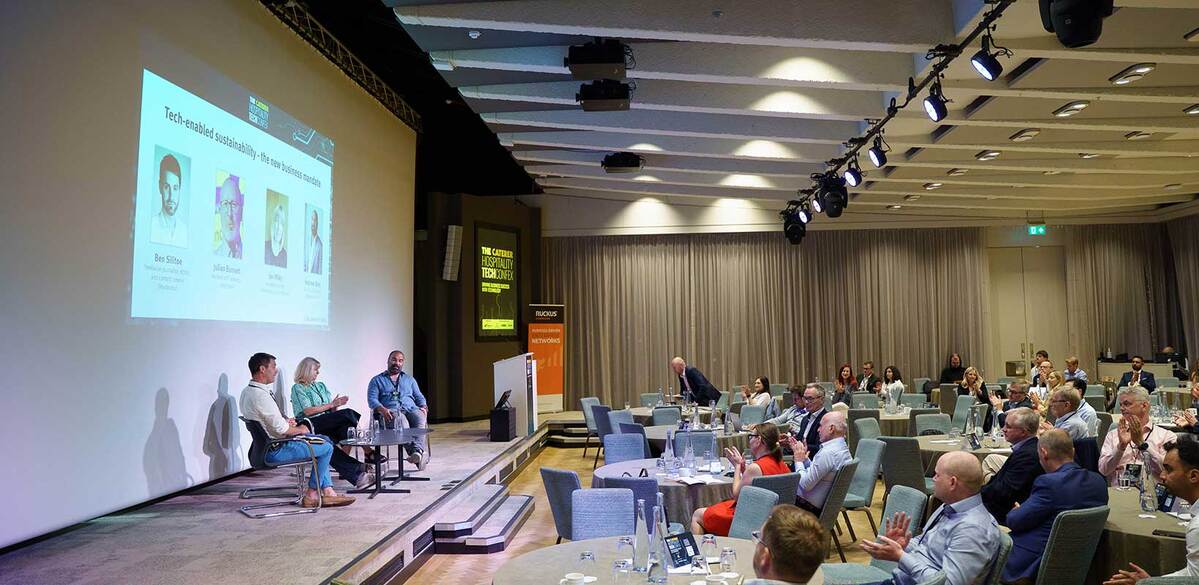
The retail chief technology officer turned consultant and investor was on a panel alongside Andrew Xeni, founder and chairman of fashion retailer Nobody’s Child, and Jen Hiley, managing partner for climate tech at IT decarbonisation company GoCodeGreen.
Xeni said Nobody’s Child, which sold a 27% stake to Marks & Spencer in 2021 and has just been included in The Sunday Times list of fastest-growing UK privately owned businesses, has profited from developing an ethical culture from day one, led and fostered by the executive team.
Nobody’s Child has also benefited from its chairman’s dual role as founder of technology company Fabacus, which turns complex product and materials data from the supply chain into structured information. Using that data, Nobody’s Child has embedded digital product passports on its fashion ranges that allow customers to purchase with a high degree of product provenance knowledge.
“We found there was a correlation between our success and the growing [consumer] demand for visibility, honesty and better responsibility,” explained Xeni. “We just hit that air pocket and it’s been incredible for us.”
Hiley offered some practical advice for hoteliers looking to gather a picture of their environmental impact prior to reducing their carbon footprint, calling on businesses to “crack on” and just start measuring.
She urged tech departments to adopt sustainable software engineering practices, code as cleanly and efficiently as possible, and optimise IT infrastructure whenever they can.
Hiley warned about modern computer power’s high energy consumption, with AI and ChatGPT usage, for example, requiring eye-watering levels of electricity to run.
“A lot of people are shifting from on-premise to data centre servers, which is just not creating efficiencies and is consuming a lot of energy,” she added. “You have to use cloud native tech and containerisation and use it in the most optimal way.”
Read more about The Caterer’s Tech Confex
Tech Confex 2025: Why introducing AI into service means going back to basics
Sign up for next year’s Tech Confex
If you are interested in hearing more about next year’s event, sign up for The Caterer’s Tech Confex 2026






Most Popular




The Caterer People Summit 2026
 Thu May 14, 2026
 The Line, London
The Acorn Awards 2026
Sun Jun 7, 2026
The Cateys 2026
Tue Jul 7, 2026
Natural & Organic Food Show
Wed Sep 16, 2026ExCel London


The Caterer provides trusted hospitality news, analysis and trends for restaurants, hotels and catering professionals.

Jacobs Media is a company registered in England and Wales, company number 08713328. 3rd Floor, 52 Grosvenor Gardens, London SW1W 0AU.
© 2026 Jacobs Media
