


 Menu
Menu


London hospitality braces for ‘devastating’ tube strikes
Sales could be hit by up to 40% on strike days, according to UKHospitality
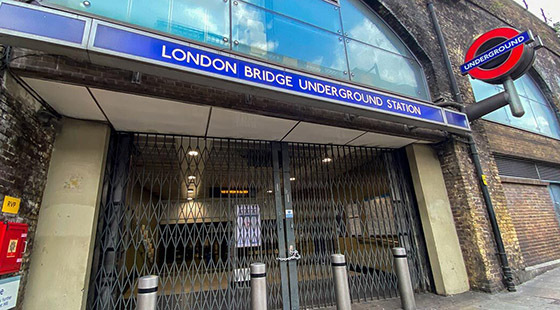
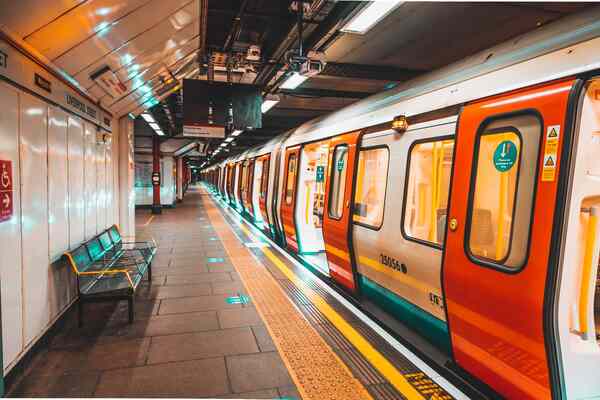
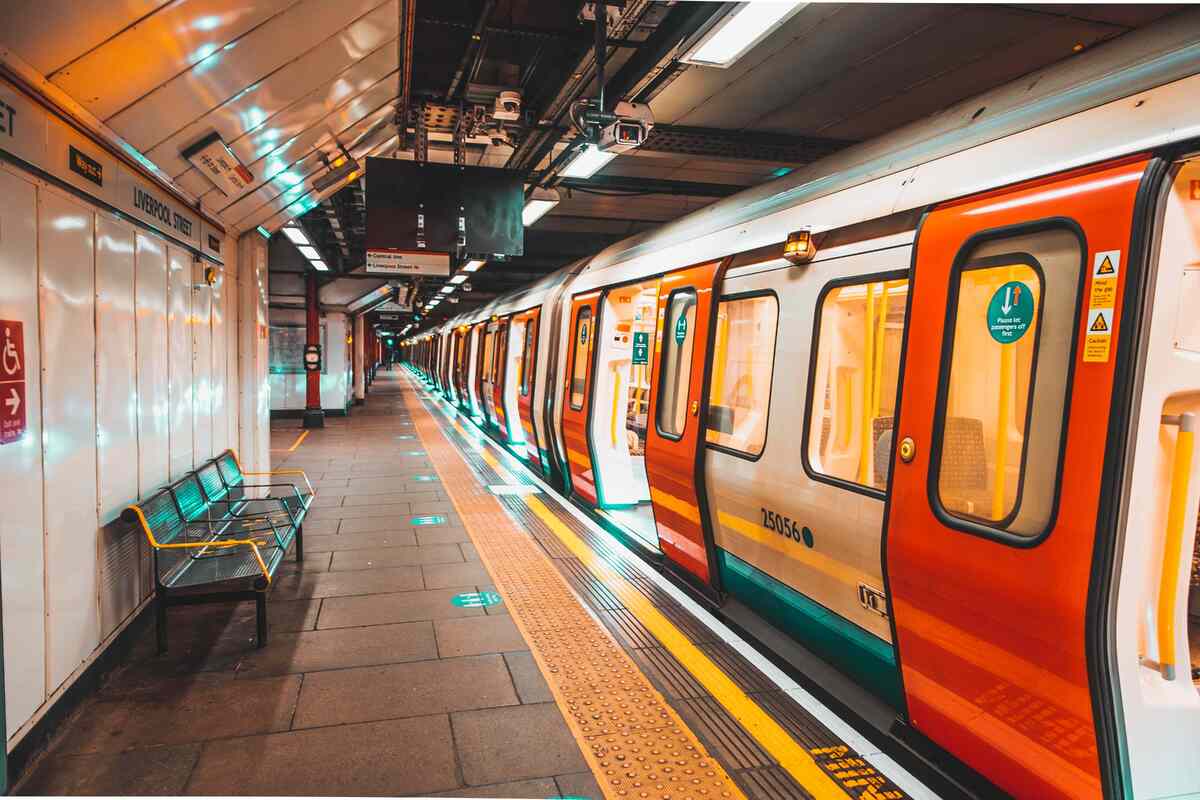
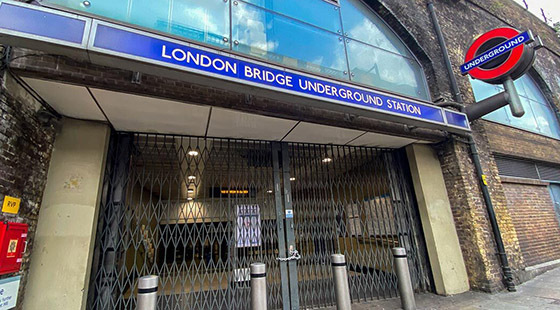
Hospitality chiefs have warned this week’s tube strikes in London will be “devastating” to businesses as operators brace themselves for a challenging week.
Strikes mean services will be severely disrupted from midday tomorrow (Tuesday 21 April) to midday on Wednesday 22 April.
A further strike will take place from midday on Thursday 23 April until midday on Friday 24 April.
The strikes follow a dispute between TfL and members of the Rail, Maritime and Transport (RMT) union who oppose changes to working hours, which will be condensed to allow the introduction of a four-day working week.
Transport for London (TfL) has warned that disruption should be expected into the afternoons and evenings of strike days.
UKHospitality has analysed that average sales impact for hospitality businesses in Zone 1 across the 31 days of tube strikes in 2023-24 was 32%. The data showed that restaurant takings in central London during that period were down by 29%, for pubs and bars 38%, coffee and sandwich shops 34% and quick service restaurants and takeaways, 22%.
Chair Kate Nicholls urged all parties to continue negotiations and reach a solution to avert the industrial action, saying: “Tube strikes have a devastating impact on London’s hospitality businesses, with sales falling by up to 40% on strike days. Commuter footfall is almost non-existent and families cancel plans to visit the capital.
“The cost of strikes can stretch into the millions – as we saw when strikes hit the sector a couple of years ago. It’s not just lost sales, but the impact on hospitality staff who can no longer get into work.”
Michael Kill, CEO of the Night Time Industries Association, said this round of strikes creates “yet more uncertainty that businesses simply cannot absorb”.
“Margins are being squeezed from every direction, and confidence is increasingly fragile. The ongoing disruption to transport services begs the question, who does this actually benefit? Because right now, it’s businesses, workers and the wider public who are paying the price for the reckless actions of the few.
“We respect the right to strike, but this situation cannot continue. All parties must get round the table and find a resolution, because sustained uncertainty at a time like this will have serious, lasting consequences for London’s night-time economy.”
A spokesperson from the British Institute of Innkeeping (BII) said: “The immense pressure on our pubs in towns, high streets and cities across the UK is increasing every day, with the cost of doing business becoming intolerable for businesses who have to employ teams, power and heat their venues, and pay over 40p in every pound in tax to the Treasury. Any additional disruption that affects their ability to trade will just add to this pressure.”
Emma McClarkin, CEO of the British Beer and Pub Association, added: “In a typical week, London’s pubs generate approximately £80m in gross value added (GVA) between Tuesday and Friday alone. This doesn’t just boost the economy but represents the jobs, high streets and community spirit that revolve around pubs.
“At a time when so many locals are already operating on a knife edge because of huge costs, significant disruption to trade will be acutely felt.”
Earlier strike action planned to take place between 24 and 27 March was called off by the RMT union, however tomorrow’s strikes are expected to go ahead, with further action planned for May and June.
Five days of industrial action in September last year was estimated to have cost the sector up to £110m, with operators hit by cancellations and a drop in footfall as many office workers defaulted to working from home.
The hospitality industry suffered £4b in lost sales as a result of network disruption between 2022 and 2024, according to UKHospitality.




Most Popular



The Caterer People Summit 2026
 Thu May 14, 2026
 The Line, London
The Acorn Awards 2026
Sun Jun 7, 2026
The Cateys 2026
Tue Jul 7, 2026
Natural & Organic Food Show
Wed Sep 16, 2026ExCel London


The Caterer provides trusted hospitality news, analysis and trends for restaurants, hotels and catering professionals.

Jacobs Media is a company registered in England and Wales, company number 08713328. 3rd Floor, 52 Grosvenor Gardens, London SW1W 0AU.
© 2026 Jacobs Media
