



 Menu
Menu


Street food trends for 2017
Will Hawkes looks at where to find the best
When Michelin, that arbiter of high-end scoff, decides to award stars to restaurants in Hackney, you know London is changing. The cityâs best casual dining can no longer be found in its fanciest neighbourhoods; anyone who eats out regularly in the capital is well aware that Brixton and Peckham have more to interest the adventurous glutton than Kensington or Chelsea.
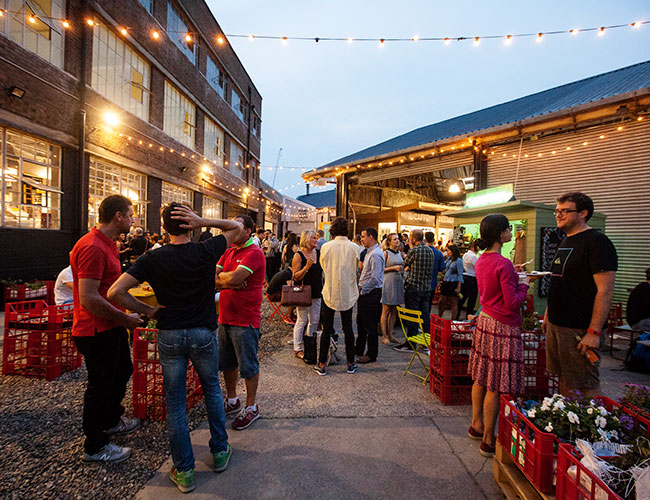
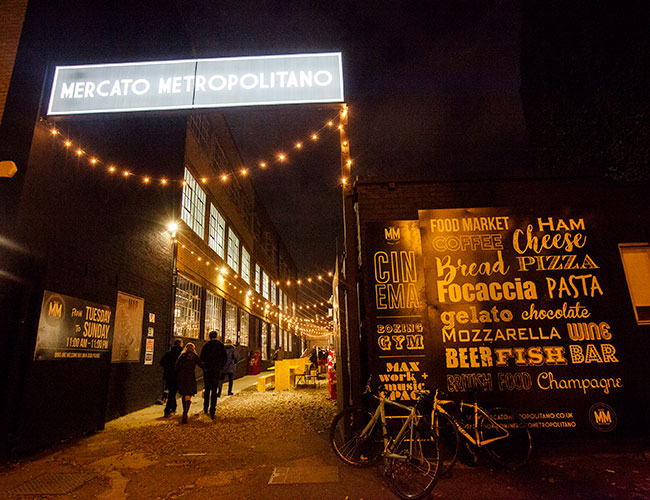
Even so, Mercato Metropolitano is a bit of a shock. This market is in Elephant and Castle, an area known for grim 1960s architecture (much of it now knocked down to make way for pricier dwellings) near one of Europeâs busiest and least pleasant roundabouts. Itâs not the sort of place where youâd expect to find superb Italian street food, but gentrification and its handmaiden, excellent grub, has now come to nearly all corners of the capital. Itâs a place that exemplifies one of the key trends in casual dining: high-quality food with the minimum of faff.
Where markets lead, casual dining follows Housed in a former paper factory, the 45,000 sq ft Mercato Metropolitano has two elements: a shop and a street food market, of which the latter is more interesting. Youâll find food from all over the world here â" from Argentine barbecue to Vietnamese curry â" plus good beer and wine, but the focus is on Italian food. There are stalls selling pizza and pasta, of course, but also quirkier offerings: deep-fried seafood, for example, or Venetian small plates (the octopus soup is highly recommended).
The benefit of street food is ostensibly lower prices, but also in the focus on a few dishes cooked to perfection. This simple approach is very appealing to modern consumers, says Duncan Parsonage, head of food development at wholesaler Fresh Direct. âWhatâs really interesting for me is the simplicity on offer these days,â he says. âNot the food itself necessarily, but the ability to dine out and have a great steak, great burger, or great kebab â" and not to conclude an excessive night! And if your body desires a warming, satisfying bowl of noodles and broth, you know where to go. Pubs are even beginning to catch on.
âThese specialist outlets with super-short menus are really very clever: they cut their teeth trading from a mobile truck in some cases, and have built â" quite literally â" an extensive, successful, polished brand. And that is because they have stuck to their guns and didnât diversify and dilute what they had by attempting to appeal to the masses.â
This simplicity is best reflected in the receptacle the food is served in, says Becci Eplett, marketing manager at packaging specialist Huhtamaki. âItâs essential for casual-dining operators to ensure they include takeaway options if they want to maximise sales,â she says. âAs our recent independent consumer research into food to go consumption in the UK shows, consumer demand shows no sign of slowing. Almost three-quarters of consumers (73%) buy food to go at least once a week.â
The deep-fried sea creatures on offer at Mercato Metropolitano might not to be to every- bodyâs taste, but another ingredient is: deep-fried chicken, of the type popularised by KFC. In London, Youtube reviewer âThe Chicken Connoisseurâ caused hilarity before Christmas with his clever, witty reviews of some of the capitalâs cheaper fried chicken options. But this type of food is making a splash in fancier places, too. The most notable is probably Chick âNâ Sours, a two-venue chain (in Haggerston and Seven Dials) that combines fried chicken with sour cocktails. Elsewhere, hot wings â" chicken wings that are deep-fried and then slathered with a mixture of hot sauce and butter â" are a staple on the menus of many up-to-date pubs. Special offer evenings are common, such as âWings Wednesdayâ at the Draft House Tower Bridge, where 1lb of buffalo wings will set you back £5).
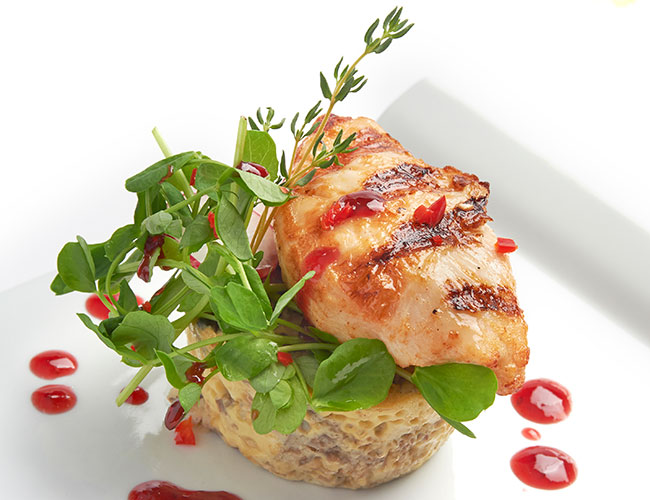
âWhite meat was always top of the consumer wish list, but in the past few years brown meat, in the form of drumsticks, thighs and wings, has shot up the scale,â says Nigel Parkes, purchasing and marketing director at food products supplier Flagship Europe. âItâs now just as popular with large chains as it is with the smaller independent outlets.â
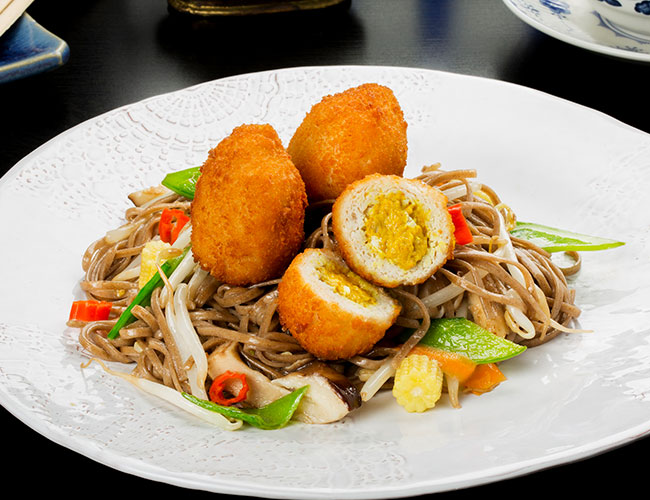
âChicken makes up seven of the top 20 main course dishes eaten out of home [according to a recent Horizons Menurama Trend Report]. Consumers have a real appetite for chicken. Casual-dining classics like burgers and curries all benefit from chickenâs popularity â" but consumers are always on the lookout for new and exciting dishes.â
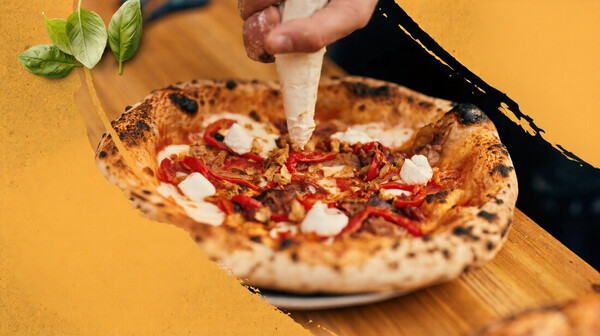
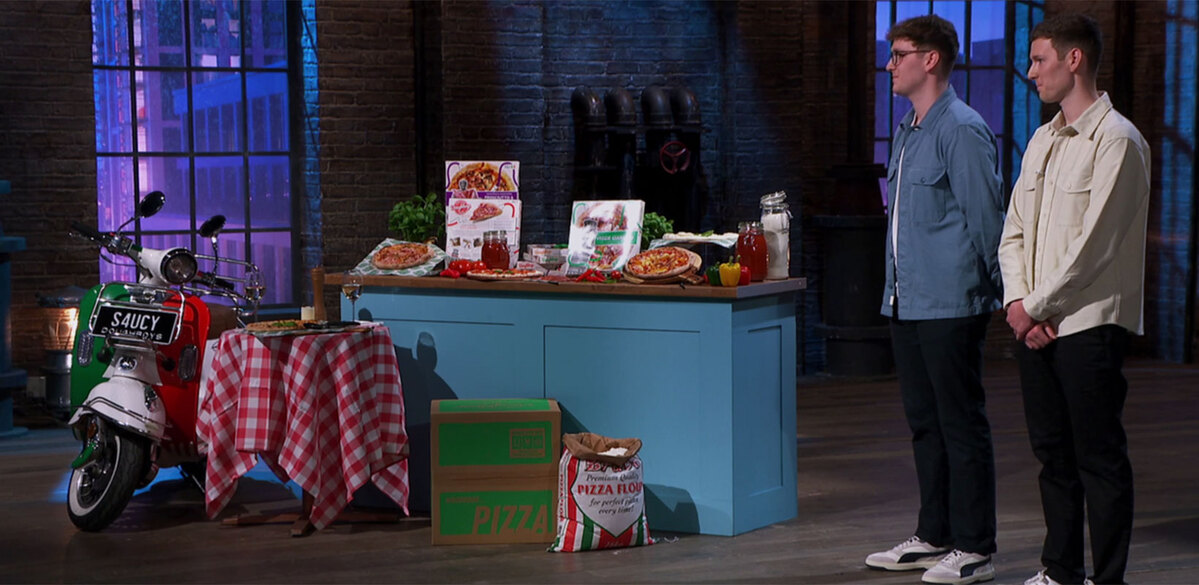
Pizza has been around so long it often gets forgotten, but thereâs been a significant shift of late, with quality rising quickly. Deep-dish fatfests are out; thin and delicious is in. âIf you want to look at how food has evolved in the UK, then pizzas are the perfect example,â says Parkes. âHistorically, consumers were offered pizzas in a non-authentic format with deep bases and an abundance of toppings. Today, however, thin, stone-baked bases with minimal toppings are increasingly popular and widely available. And although the toppings are used more sparingly, the quality is higher.â
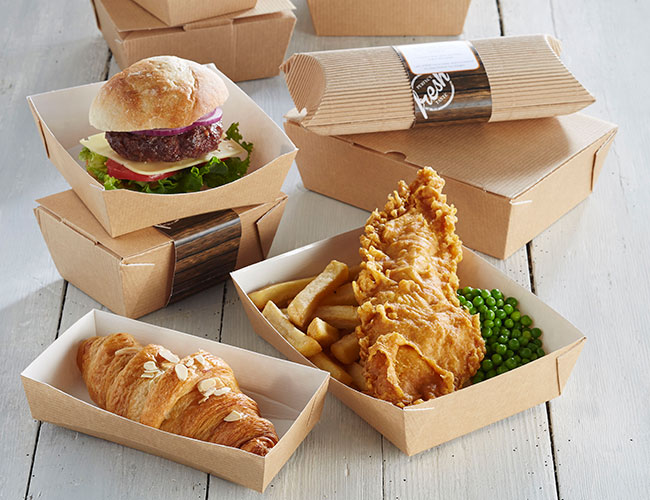
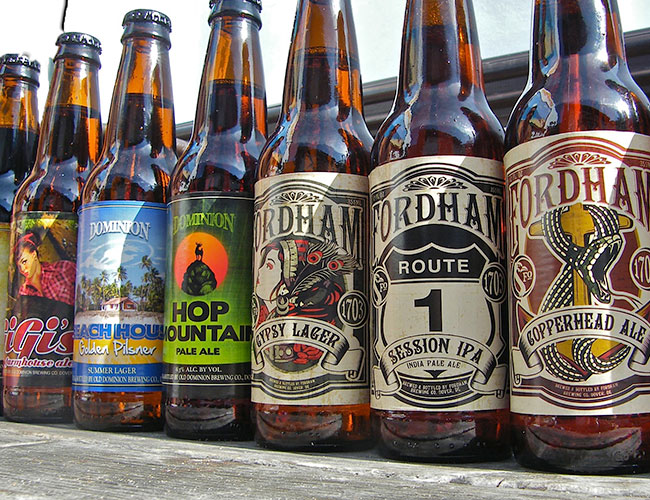
More and more pubs and restaurants are pairing high-end pizza with beer. The south London suburb of Honor Oak Park, for example, has not one but two places: Mama Dough, a restaurant, and the Chandos, a recently revived pub, where the offer is basically great pizza and craft beer. Itâs a combination that reflects how pizza is enjoyed in Italy (with beer, not wine) but also the growing popularity of craft beer.
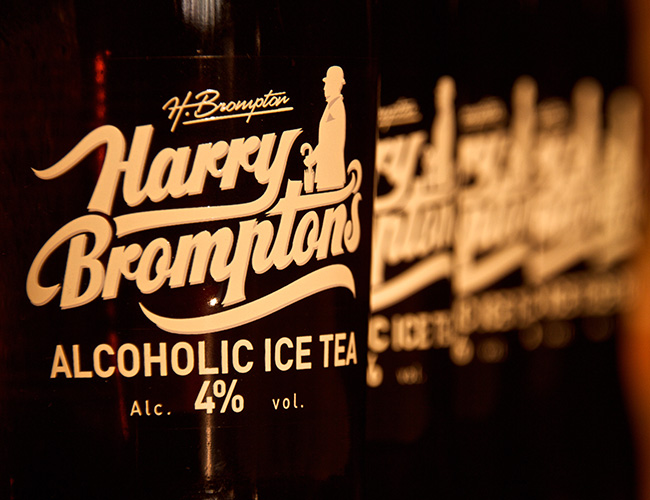
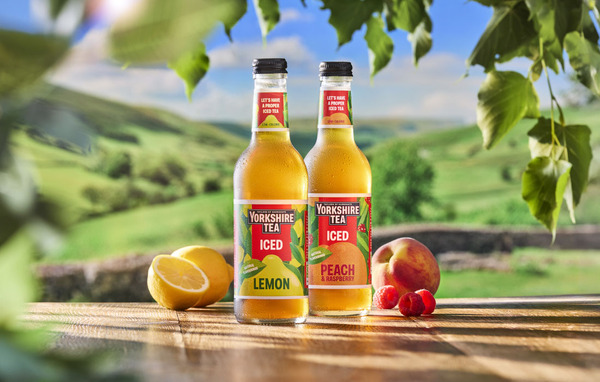
Craft beer has brought a lot of other products trailing in its wake, from high-end snacks to quality soft drinks, such as Harry Bromptonâs alcoholic ice tea. âCasual dining and the corresponding growth in demand for craft drinks has created the conditions for our ice tea to thrive,â says Simon Green, commercial director at Tudor Drinks, brand owner of Harry Brompton.
âIn the US, ready-to-drink ice tea has a market value of over $5.5b (£4.4b), but this is more than just a cut and paste exercise. The US trend needs to be translated and adapted for the UK. In the case of Harry Bromptonâs, that means taking a more premium route with all-natural ingredients and less sugar.â
Trends come and go, of course, but one thing seems to be permanent: an increasing focus on quality. âUK consumers are definitely a lot more educated about good quality food, because in the past 10 years the bar has been raised several notches,â says Rasca, who is looking at potential spaces in London and other cities like Birmingham and Manchester for another street food market.
âIn London thereâs not only a variety of food from all over the world, the quality is also incredibly high, so I think that UK consumers are becoming more and more aware of what a product and a meal should be.â






More from The Caterer
Most Popular




The Caterer People Summit 2026
 Thu May 14, 2026
 The Line, London
The Acorn Awards 2026
Sun Jun 7, 2026
The Cateys 2026
Tue Jul 7, 2026
Natural & Organic Food Show
Wed Sep 16, 2026ExCel London


The Caterer provides trusted hospitality news, analysis and trends for restaurants, hotels and catering professionals.

Jacobs Media is a company registered in England and Wales, company number 08713328. 3rd Floor, 52 Grosvenor Gardens, London SW1W 0AU.
© 2026 Jacobs Media
