



 Menu
Menu


Three steps to take now to prepare for the Employment Rights Bill
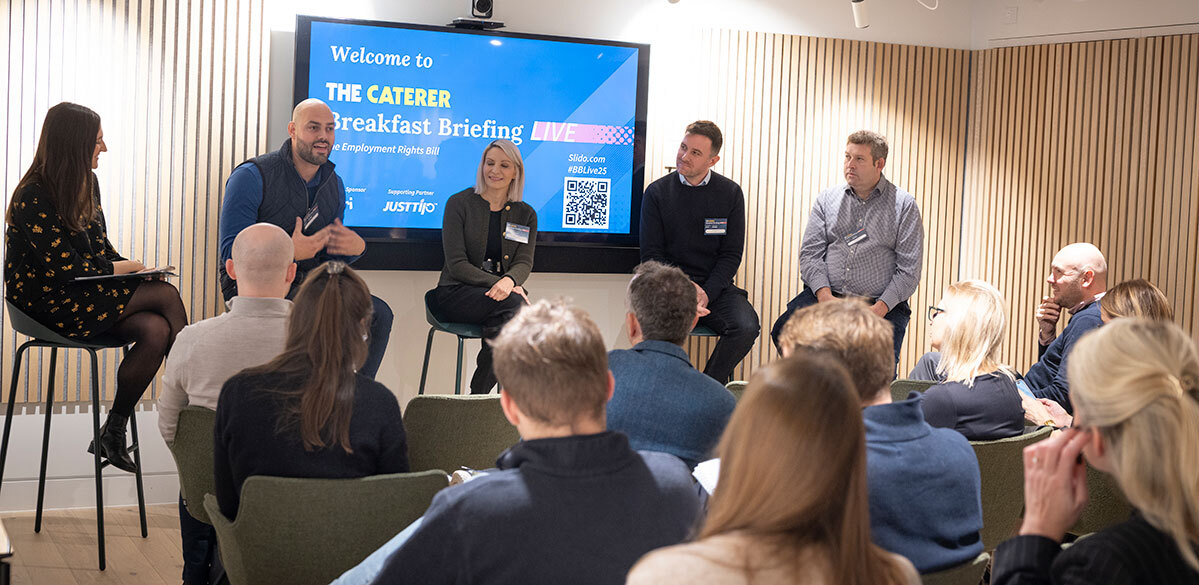
The upcoming Employment Rights Bill will hit businesses with a huge range of legislation, affecting anything from ‘day one rights’ to tipping and zero-hours contracts. The Caterer’s Breakfast Briefing Live cut through to the changes you can make now
With 35 separate measures being introduced over the next two years, the upcoming Employment Rights Bill represents the most significant shift in employment law in a generation.
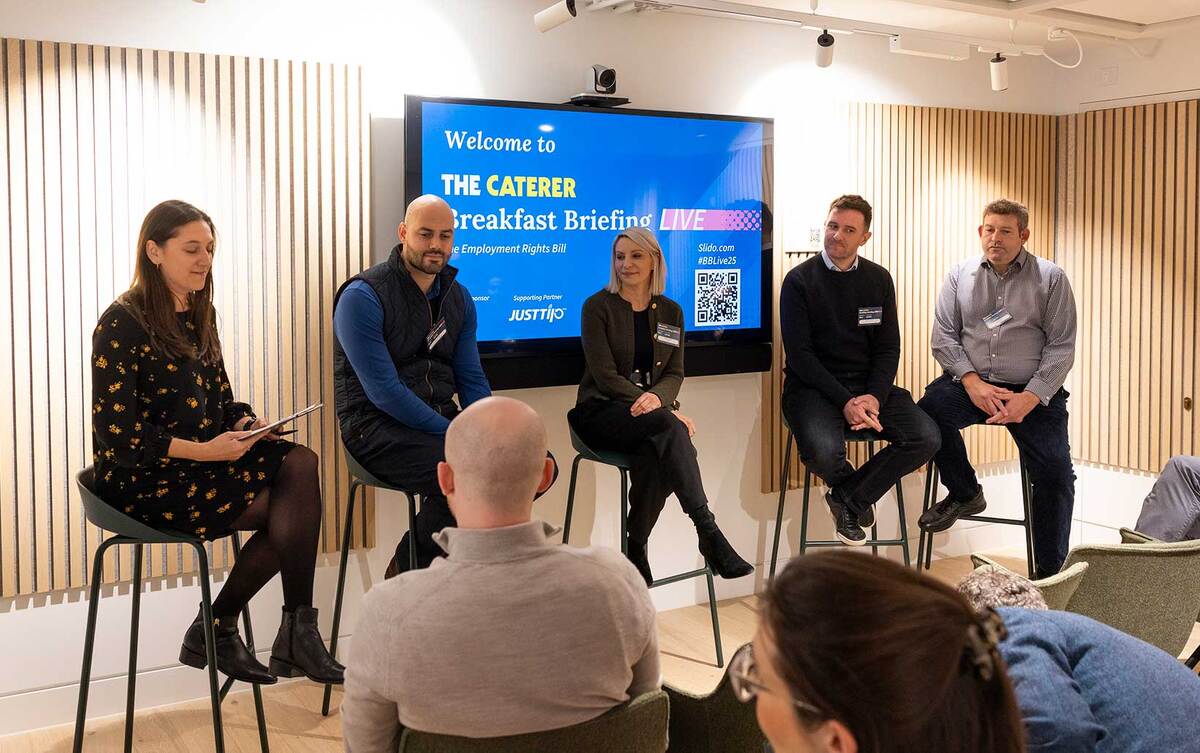
At The Caterer’s Breakfast Briefing Live event in London, held in partnership with headline sponsor Harri and supporting partner JustTip, four industry experts explored how the legislation will reshape hospitality employment practices.
With measures such as day-one unfair dismissal protection, the end of zero-hours contracts, and stronger harassment and tipping laws coming into force by 2027, hospitality faces significant operational and cost pressures as it adapts to a new era of employment regulation.
To make sure your business is ready for the new legislation, here are three steps you can take now to prepare for the changes ahead.
The panel
- David Sheen, public affairs director, UKHospitality
- Kirsten Price, head of people and culture, the Belfry Hotel & Resort and 2024 Hotel Cateys People Manager of the Year
- Lee Melton, chief people officer, RedCat Hospitality
- Dan Maimone, head of customer experience, Harri
See a detailed timeline of when the changes will affect hospitality
Conduct a detailed review of data
Parts of the bill to prepare for:
- Zero-hours contracts: Workers on zero-hours contracts are likely to get the right to guaranteed working hours, if they want them.
- Compensation for cancelled shifts: It’s expected that workers will have the right to be paid if a shift is cancelled, moved to another date or cut short by an employer
If you are not doing so already, then start conducting detailed reviews of key areas of your business, such as absences, and dig into the detail, said Kirsten Price.
She added: “As an industry, we’ve become quite accepting of absences.” At the Belfry, her team is drilling into where absence arises by department and role to identify the real root causes, which isn’t always sickness, but can include family commitments or stress. To respond to this, the Belfry has introduced technology that lets teams schedule their own rotas to “build their own flexibility and their own working patterns”.
Her advice to operators is to look at business data by documenting and analysing absence trends, tracking average working hours over a specified timeframe and modelling how forthcoming changes could affect productive working. “Get into that level of detail and start thinking now what impact this will have,” she said.
As the Belfry has discovered, giving employees greater freedom to dictate shifts can support more efficient, equitable and predictable staff scheduling, another key area of change under the bill. According to David Sheen, early indications from government suggest operators will need to give employees around two weeks’ notice for shift rotas, and at least 48 hours’ notice for any cancellations.
To help businesses schedule fairly and mitigate against absences, Dan Maimone advised operators should get into the habit of determining accurate sales forecast for the forthcoming week or month to ensure “you deploy the right people at the right time”.


Prepare and train managers
Parts of the bill to prepare for:
- Unfair dismissal day one: It’s expected that protection from unfair dismissal will become a right from the first day of employment. Currently, someone must have worked for their employer for two years before they can claim unfair dismissal.
-
Flexible working: An amendment to flexible working law is expected in 2027. An employer will not be able to refuse a flexible working request unless they state the reasons and explain why they believe their refusal is reasonable.
- Dismissal and rehire: Dismissing someone then rehiring them on worse terms and conditions is expected to become an automatically unfair dismissal in most cases.
Sheen said there are overall positives to be had: “Hospitality quite often gets dragged through the mud because of the worst employers, and that colours people’s judgment of the sector. If those bad apples can’t continue to be bad apples, then I think that can only be good for our reputation,” he said.
Price said the bill will create a “cultural shift” where HR professionals will be increasingly expected to take on a more commercially minded role, by mitigating potential costs and promoting a more strategic, business-focused approach. This could impact hiring practices. Panellists warned that as the government may implement the right to protection from unfair dismissal from day one of employment, this could cause unintended operational and financial upset.
Sheen said this new right could “take away from hospitality’s ability to take a chance on people”.
Lee Melton added the unfair dismissal legislation will place an even greater emphasis on operators to train HR and managers on asking whether they are hiring the right people and coaching them to challenge performance where it isn’t up to scratch.
Maimone suggested that businesses must start to work out how to elevate managers to be coaches and mentors. He said use of performance management tools, technology and AI will make it easier to capture conversations accurately and quickly, creating a culture of open dialogue and feedback.
Ultimately, Melton stressed that the success of implementing new legislation will “all come down to the training that we give [managers]”. He urged operators to not only train teams on the new legislation but ensure they are prepared to apply it in practice.
“Look at your training and your employee handbooks, [and] your policies. Start doing it now. Look at where those which don’t meet the proposed legislation and start training managers and just get ahead,” was Melton’s advice.
Create an employee-centric approach
Part of the bill to prepare for:
- Statutory sick pay (SSP): This will be paid from the first day of illness, instead of the fourth day, and the lower earnings limit will be removed – currently, workers must earn a minimum amount to be eligible for statutory sick pay.
With so many elements to the legislation, managers can be forgiven for finding the upcoming act overwhelming, but Sheen advised operators to “break it down into bite-size bits”. He added that “without [knowing] exactly the direction of travel”, the industry has a good sense of what the bill will entail, so it’s vital for operators to embed good practice now.
The first step will be to prepare for increased costs. One example would be to calculate and factor in the cost of statutory sick pay from day one now, rather than from the fourth day of sickness which is current standard practice.
Melton said RedCat includes statutory sick pay within its weekly financial forecasting. He stressed that introducing day one statutory sick pay will be challenging for employers, particularly at a time when cost pressures are at an all-time high but, ultimately, it’s the right move for conscientious operators.
By embedding such habits into routine management practice, leaders will not only be compliant when legalisation comes in but are making informed, proactive decisions that work in the best interests for the business and employees.
With changes beginning to take effect this autumn and continuing through to 2027, there’s a great deal for businesses to absorb; the challenge lies in striking a balance between doing what’s best for employees and managing the financial impact such changes will bring.
The key is to start preparing now; take a proactive approach and embed fair, transparent workplace practices that will set businesses up for long-term success under the new legislation.

From the sponsors
Harri
The Employment Rights Bill will formalise many of the positive working practices that we already see from operators across the hospitality sector. Empowering front-line employees with protection from unfair dismissal, strengthening sick pay and guaranteed hours will facilitate stronger long-term employee engagement. There is a real net-benefit to operators in long-term retention.
The updated legislation also introduces real operational challenges for operators already managing complex labour and compliance demands. The concern is two-fold: managing the additional compliance burden and also the significant change to traditional systems and processes, and balancing fair scheduling with fluctuating customer demand and labour shortages requires precision.
Employers best placed to avoid disputes and maximise the benefits of the bill will be those whose operational foundation is built on clarity – achieved through consistent processes and smarter scheduling. As legislation evolves, both employers and employees benefit from smarter, more transparent workforce management. Operators who embrace technology will turn regulation into a driver of retention, rather than just a source of risk.
Just Tip
JustTip is proud to partner with The Caterer to bring you an in-depth Breakfast Briefing on the Employment Rights Bill.
One of our core values is to make sure businesses of all sizes have access to clear information and advice on legislation, so that they can understand the risks and find potential solutions for their business.
We specialise in compliance, automation and tax savings for businesses who process tips and gratuities. We ensure full transparency, legal accuracy and efficiency in managing tips and service charge distribution and independent tip payroll operations.









Most Popular






The Caterer People Summit 2026
 Thu May 14, 2026
 The Line, London
The Acorn Awards 2026
Sun Jun 7, 2026
The Cateys 2026
Tue Jul 7, 2026
Natural & Organic Food Show
Wed Sep 16, 2026ExCel London


The Caterer provides trusted hospitality news, analysis and trends for restaurants, hotels and catering professionals.

Jacobs Media is a company registered in England and Wales, company number 08713328. 3rd Floor, 52 Grosvenor Gardens, London SW1W 0AU.
© 2026 Jacobs Media
