



 Menu
Menu


‘Sustainability’ can’t just be a buzzword
Michel Roux and Rosie Welch urged chefs to tell the story of responsibly sourced seafood at the Seafood from Norway Summit
As the hospitality industry looks ahead to a future shaped by population growth, climate pressures and shifting diets, one question is becoming harder to ignore: how will the world sustainably produce enough food while keeping quality at the heart of what we serve?
Increasingly, the answer includes seafood. “Blue Foods”, seafood from wild fisheries and aquaculture, are being recognised as a vital part of tomorrow’s food system. In fact, the conservation charity WWF has even modelled an 83% increase in seafood consumption[1], suggesting considerable uplift in intake is needed to achieve a net zero-aligned diet fit for the future.
For chefs and hospitality operators, an increase in seafood consumption brings both opportunity and responsibility. Seafood offers flavour, creative potential and versatility as a nutritious protein source that can help diversify menus. But, as seafood’s role grows, so too does the need for operators to communicate clearly and authentically about how it is sourced and produced – to give diners trust in where their food comes from. Chefs are central to that conversation. With their influence stretching far beyond the kitchen, touching menus, social feeds and wider food culture, they play a powerful role in shaping how consumers perceive seafood. What chefs choose to serve – and how they talk about it – affects not only what diners eat, but also why they eat it.
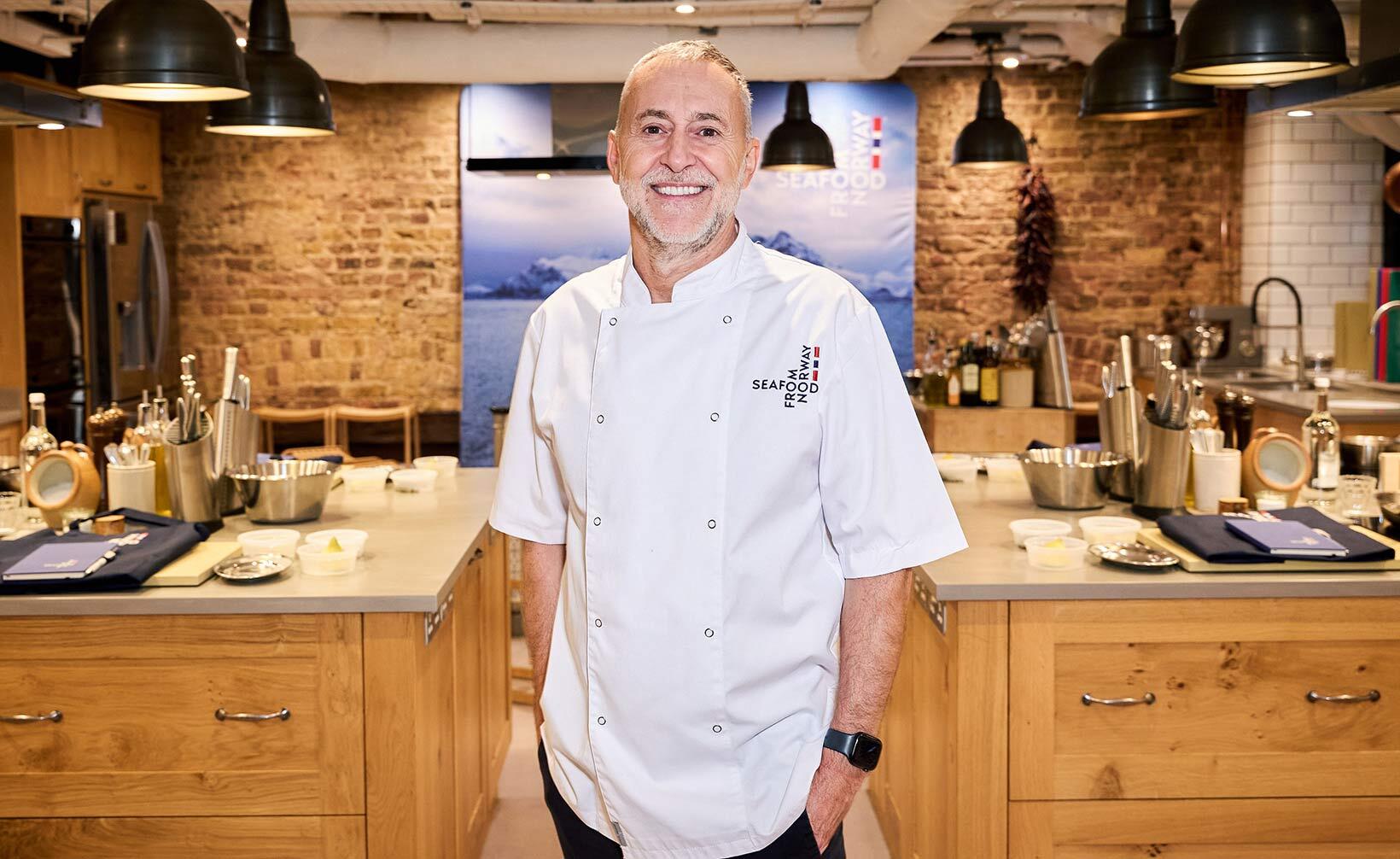
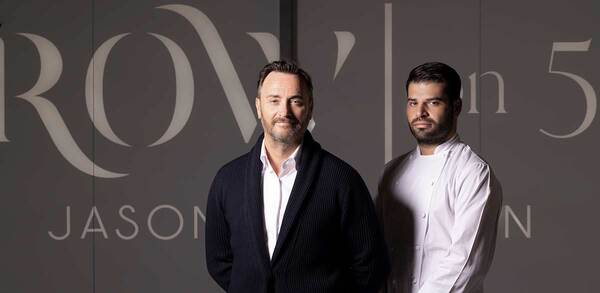
Chefs Michel Roux, formerly of Le Gavroche and also long-standing Seafood from Norway ambassador and Rosie Welch, chef director of events company From the Woods, explored this topic during a panel discussion at this year’s Norway-UK Seafood Summit, where they looked at how their industry’s approach to seafood and the way it is communicated to diners continues to evolve.
Roux noted that seafood is playing an increasingly prominent role on restaurant menus compared with previous decades. “Back in the day, the vast majority of sales were definitely animal-protein focused,” he said. “But now that has flipped.” He sees more chefs embracing seafood as a hero ingredient – allowing its delicacy, texture and story to lead the plate.
Welch is seeing similar trends in private dining and events. Guests increasingly request seafood as a main course, reflecting broader consumer interest in health, sustainability and lighter proteins. But with that interest comes a sharper expectation for transparency. Diners, particularly in premium hospitality settings, want sustainability to be real – not a marketing flourish.

For Roux, this means avoiding empty language. “We have to be careful not to jump on a bandwagon,” he said. “The story has to be true, and we have to fully understand what ‘sustainability’ means.” For operators, communicating that story effectively often comes down to clarity and confidence. Welch believes that the way this story is communicated can be simple yet powerful: a clear line on the menu, a confident front-of-house team, and a focus on provenance. “I think people really want to see where the seafood is from and how quickly it has gone from the sea to the plate,” she said. “That’s a great story.”
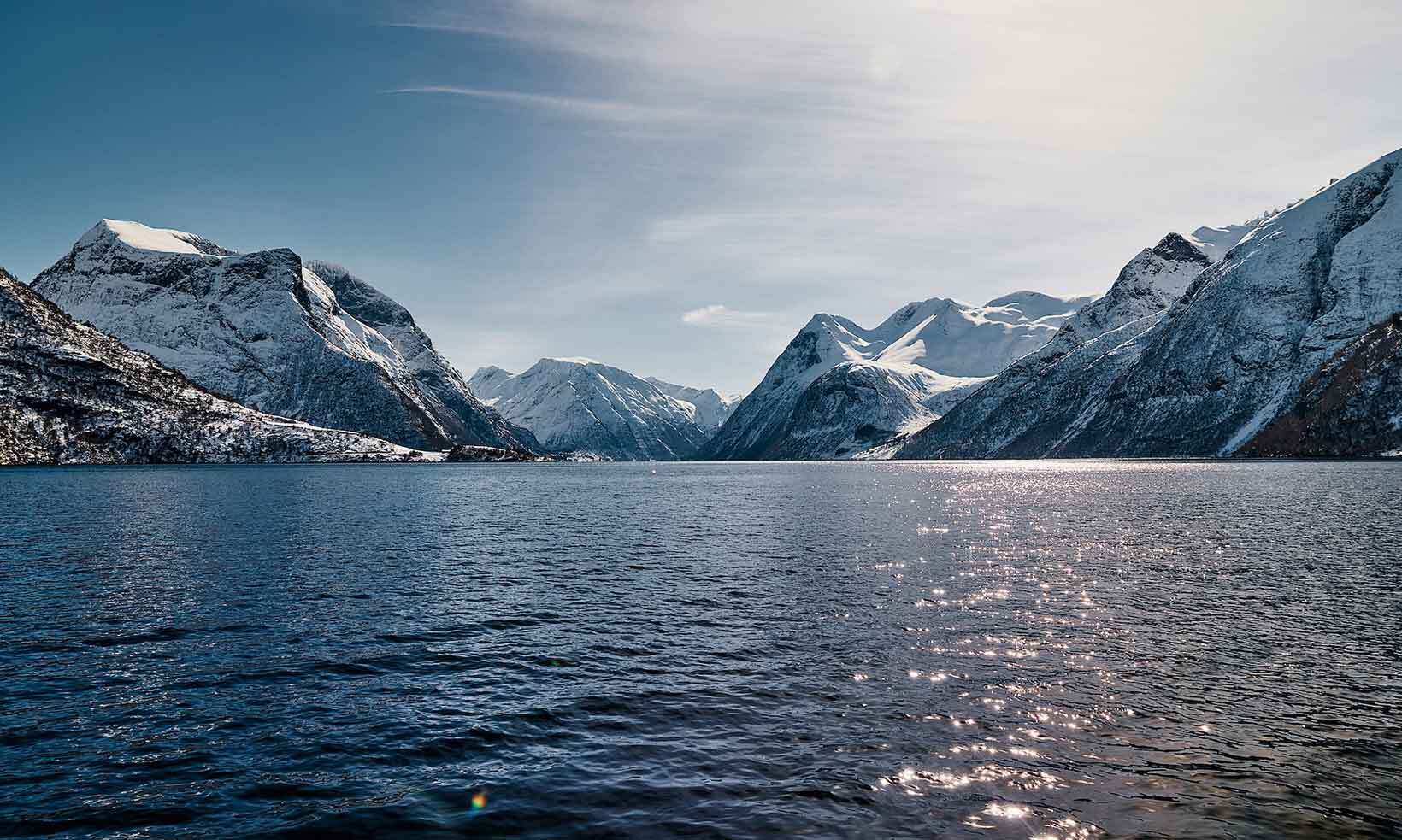
Industry initiatives are helping to support that knowledge. Seafood from Norway works to build confidence around species, sourcing and seasonality through collaborative chef education partners like Westminster Kingsway College. Norway’s approach to fisheries is grounded in science-based quotas and long-term stewardship of marine ecosystems, ensuring stocks remain healthy for future generations to come. Alongside this, the country has developed one of the world’s most advanced aquaculture sectors – a system built on innovation, regulation and environmental oversight to produce high-quality seafood while supporting food security.
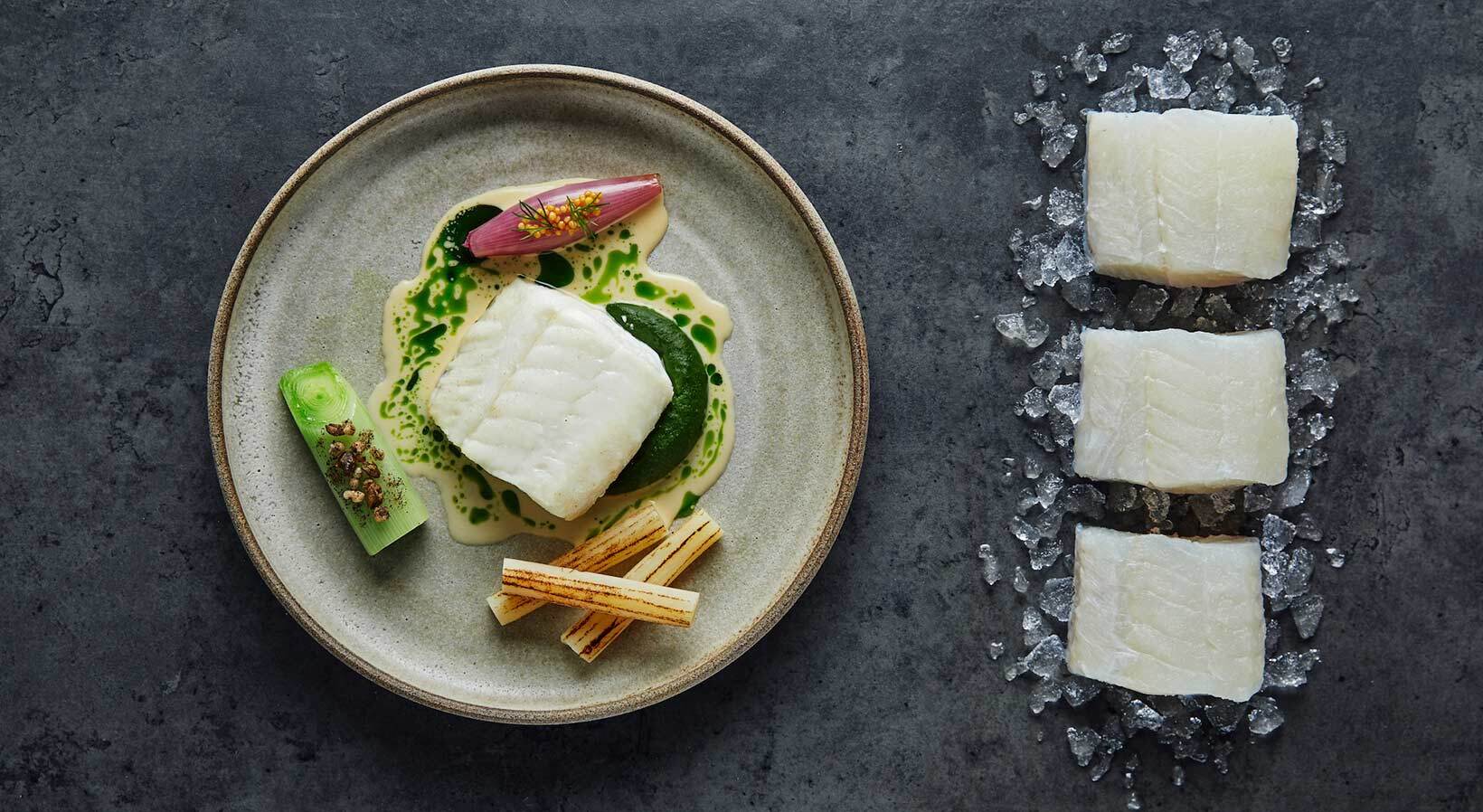
“I think aquaculture is supremely important for our future and we as chefs should embrace that,” said Roux. For chefs and operators looking to evolve their menus, this approach opens new creative opportunities. Alongside familiar favourites such as cod and haddock, species like saithe offer a flavourful, affordable and sustainable whitefish option, helping operators balance cost pressures with responsible sourcing.
Ultimately, the message for hospitality businesses is clear: sustainability is not just about sourcing responsibly – it is about sharing the story behind the product with honesty and heart. When chefs communicate provenance with authenticity, they build trust, enrich the dining experience and help secure the future of the seafood they serve.
To find out more about Norwegian seafood and the country’s responsible sourcing practices, visit: www.seafoodfromnorway.co.uk/origin-matters
1 Eating for Net Zero – How diet shift can enable a nature positive net-zero transition in the UK







More from The Caterer


Most Popular




The Caterer People Summit 2026
 Thu May 14, 2026
 The Line, London
The Acorn Awards 2026
Sun Jun 7, 2026
The Cateys 2026
Tue Jul 7, 2026
Natural & Organic Food Show
Wed Sep 16, 2026ExCel London


The Caterer provides trusted hospitality news, analysis and trends for restaurants, hotels and catering professionals.

Jacobs Media is a company registered in England and Wales, company number 08713328. 3rd Floor, 52 Grosvenor Gardens, London SW1W 0AU.
© 2026 Jacobs Media
