



 Menu
Menu


How meat from the European Union can help caterers respond to today’s market drivers
Gaynor Stokes explains why chefs and operators should look at a wider range of cuts and European meat traditions to respond to evolving consumer expectations and keep up with shifting market conditions
Gaynor Stokes is an advisor to the EU’s More than Only Food & Drink campaign
The UK hospitality sector is under growing pressure as global instability and shifting market conditions continue to affect operators. Striking the right balance between maintaining profitable menus and offering dishes that appeal to today’s diners is more important than ever. Understanding what’s driving consumer expectations is key to staying ahead.
One of the biggest shifts I’ve seen is the increased focus on health and wellbeing. Brits are prioritising healthier lifestyles, even when eating out, with one in four households saying it is their number-one priority for the year ahead.1 Diets high in protein and fibre have become particularly popular.2
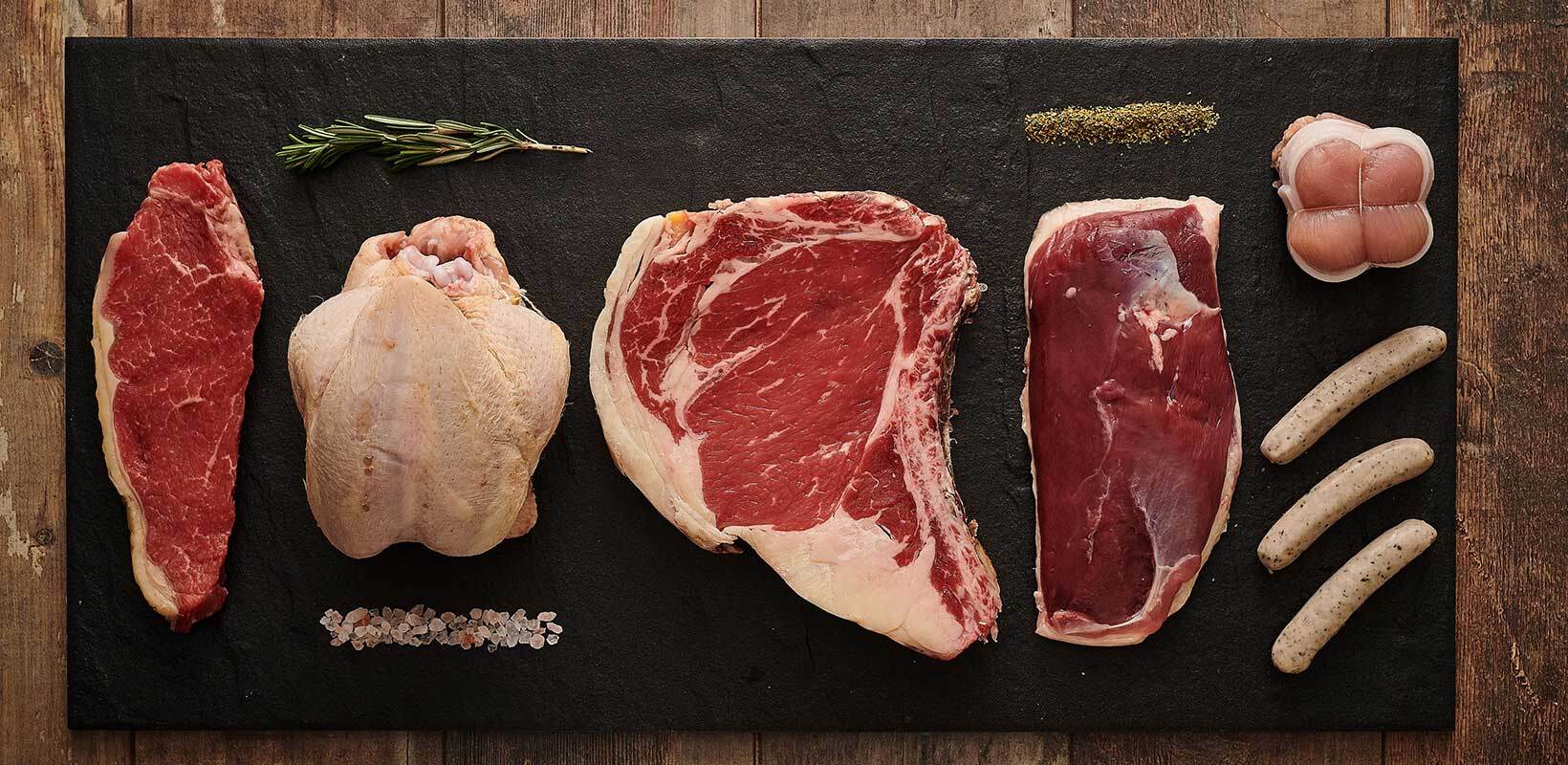
When it comes to premium cuts such as steak, guest expectations are high, and there is little margin for error in cooking or presentation. At the same time, many diners are becoming more open to exploring a wider range of proteins and cuts, especially when presented in appealing and creative ways. This creates opportunities for operators to highlight alternative, lesser-known cuts while reassuring customers about their safety and origin.
Across the European Union, rearing animals for food has been part of the region’s heritage for hundreds of years. Its varied landscapes and climates produce a vast range of breeds, cuts and cured meats.
Safety is paramount, and all EU farms must be registered to enable immediate tracking and tracing. Strict controls are in place to measure the presence of hormones, chemical residues and microbial contamination. There are also clear processes governing hygiene, labelling, refrigeration, animal and plant health requirements, and animal welfare.3
Chefs and operators can easily highlight the source and heritage of their ingredients using EU food labelling. These labels also provide information on production methods – including regions associated with grass-fed beef – along with allergens and, in some cases, certification such as PDO (Protected Designation of Origin), meaning the product is produced, processed and prepared in a specific region, PGI (Protected Geographical Indication), where at least one stage of production takes place in the named area, and EU Organic (indicating the product meets strict EU organic farming standards).4
Chefs can also draw inspiration from EU cuisines, where offal is a staple on many menus and some of the greatest dishes are based on smaller quantities of meat and lesser-known cuts. Social media and food tourism are also encouraging interest in global flavours.
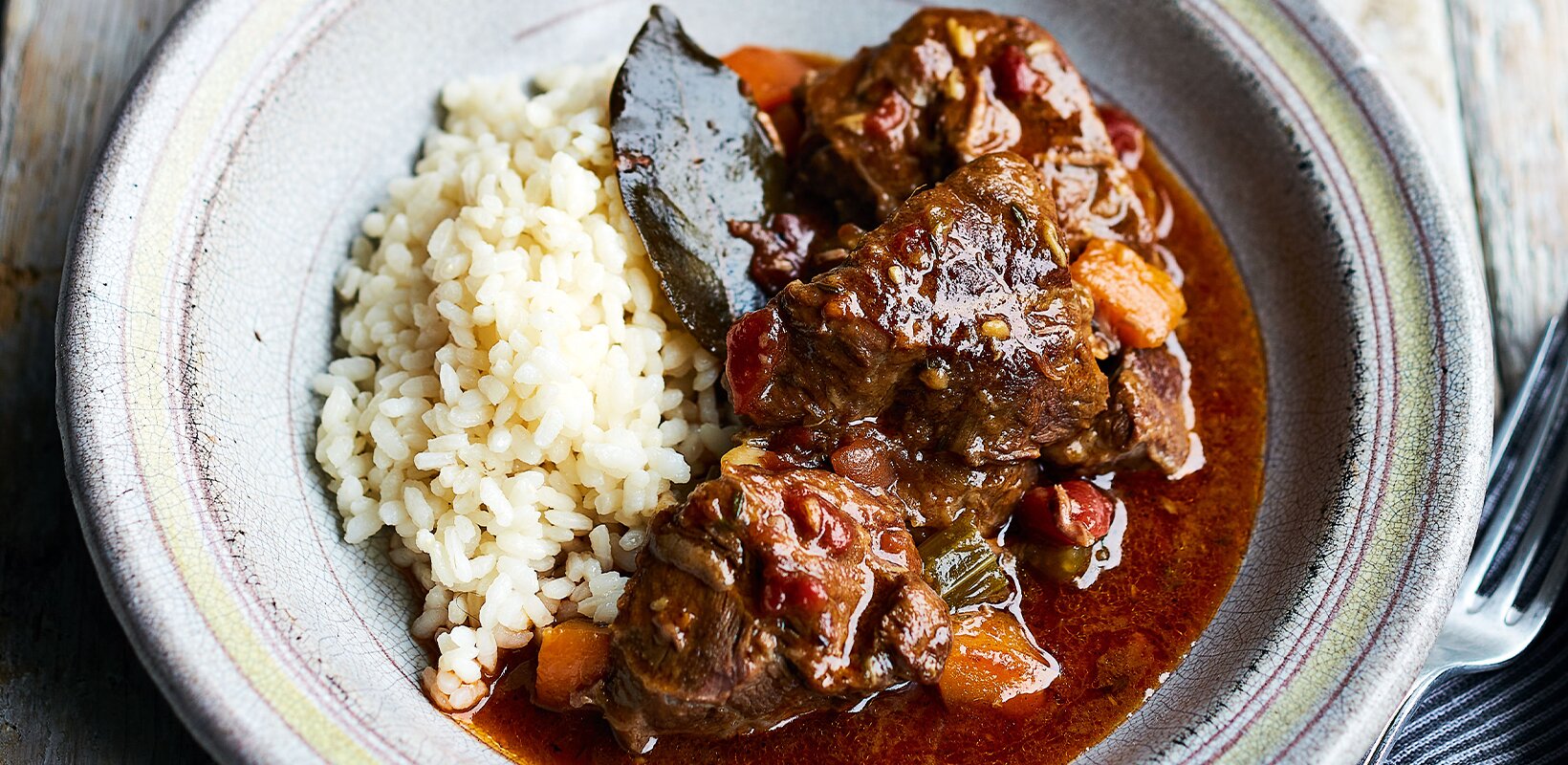
This gives kitchens the chance to use cuts that their guests might not cook at home. When prepared properly, lamb shanks, ham hock and pig and ox cheeks can all be used to create rich, flavourful dishes that also cater to rising interest in nostalgic and international cuisines.5
Slow-cooking these cuts with lentils and pulses can also appeal to health-conscious flexitarians and guests looking for nutrient-dense, lighter options.
The EU also offers a wide choice of highly regarded cured meats that can elevate dishes. Their salt and spice content means that only small quantities are needed to add depth of flavour – whether that’s chicken wrapped in Italian Prosciutto di Parma PDO, butter bean stew with Spanish Chorizo Riojano PGI and Spätzle paired with Gyulai kolbász / Gyulai pároskolbász PGI (sausage) from Hungary.
Meanwhile, for summer menus, pork – often underrated in the UK – lends itself perfectly to BBQs and grilled dishes, appealing to diners seeking lighter options. Ribs are already popular in pubs, but adding internationally inspired rubs and marinades and slow-cooking them until the meat falls off the bone transforms them into a visual and aromatic centrepiece.
Chefs can also introduce guests to the taste and texture benefits of chicken thighs, a cut that actually works better in kebabs than breast thanks to its flavour and ability to remain moist during cooking.
To ensure guests understand what they are ordering, descriptions and explanations are essential. By including the source, PGI, PDO and EU Organic labels, operators can show that they take provenance seriously. Those best placed to succeed in today’s changing market will be the operators who design their menus with these evolving consumer drivers firmly in mind.
For more information on the EU’s ‘More Than Only Food and Drink’ campaign, visit enjoy-its-from-europe.campaign.europa.eu/united-kingdom/en

1 NIQ Homescan Survey November 2025 nielseniq.com/global/en/news-center/2026/uk-shoppers-shift-to-healthier-diets-in-2026-fuelling-growth-in-protein-and-fibre-sales/
2 NIQ Scantrack Total Coverage nielseniq.com/global/en/news-center/2026/uk-shoppers-shift-to-healthier-diets-in-2026-fuelling-growth-in-protein-and-fibre-sales/






More from The Caterer

Most Popular




The Caterer People Summit 2026
 Thu May 14, 2026
 The Line, London
The Acorn Awards 2026
Sun Jun 7, 2026
The Cateys 2026
Tue Jul 7, 2026
Natural & Organic Food Show
Wed Sep 16, 2026ExCel London


The Caterer provides trusted hospitality news, analysis and trends for restaurants, hotels and catering professionals.

Jacobs Media is a company registered in England and Wales, company number 08713328. 3rd Floor, 52 Grosvenor Gardens, London SW1W 0AU.
© 2026 Jacobs Media
