



 Menu
Menu


What’s the next Dubai chocolate?
Move over pistachio, suppliers are rounding up the next viral sweet treat that bakers and pâtissiers need to know about
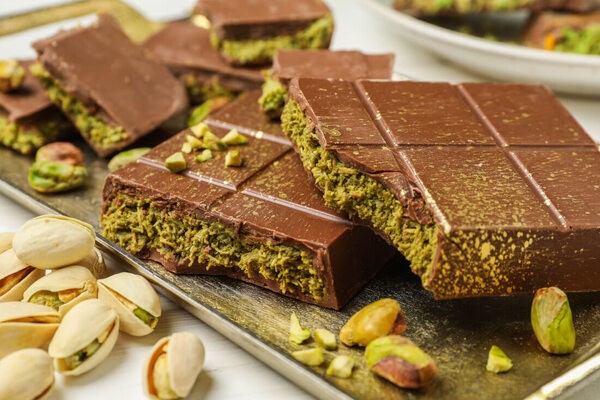
Hospitality sites have been falling over each other to create their own twist on Dubai chocolate, which over the past couple of years has blown up across social media. But while the kadaif (chopped filo pastry) and pistachio-tahini-cream sweet treat is today’s craze, venues always need to find the next big thing in desserts to create a magnetic pull for customers.
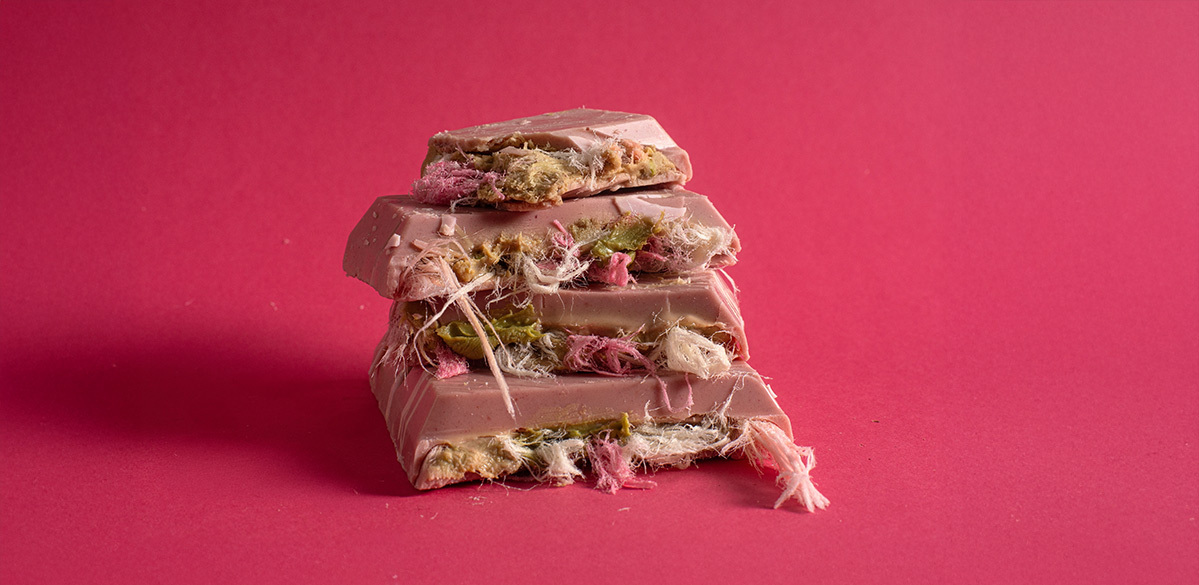
According to Fabien Levet, commercial manager at pastry brand Pidy UK, angel hair chocolate could lead the way. This replaces Dubai chocolate’s kadaif pastry filling with a candyfloss-like sugar called pashmak, also known as ‘Persian fairy floss’.
“The light and fluffy texture pairs perfectly with luxurious white or ruby chocolate, and often uses pistachio as well, so bold operators willing to herald this trend can still use a fan favourite flavour,” says Levet. “Similar to the Dubai chocolate sensation, the emergence of pashmak chocolate is likely to centre around loaded chocolate bars, with chefs then turning to hybrid takes on the dessert. To get ahead of this fusion curve, operators could use pashmak to create hybrid desserts straight from the start, helping stand out from the competition.”

Dessert made with pashmak. Credit: NatalyaBond/Shutterstock
Helen Bowyer, commercial director – foodservice, at the Compleat Food Group, agrees: “The delicate, fine-stranded filling offers a unique cross-section and dramatic presentation, perfect for chefs looking to push boundaries and experiment. It’s versatile, visually striking and offers a premium experience that aligns with the growing demand for elevated, experimental desserts, and it’s already gaining traction on social media.”
She also cited American bakes and desserts as another trend, influenced by the FIFA World Cup heading to the US in 2026. “We’re seeing a rising demand for nostalgic favourites such as Mississippi mud cake and the Boston doughnut, tapping into a sense of Americana that is increasingly popular thanks to travel and cultural crossover,” she adds.
Asian sensations
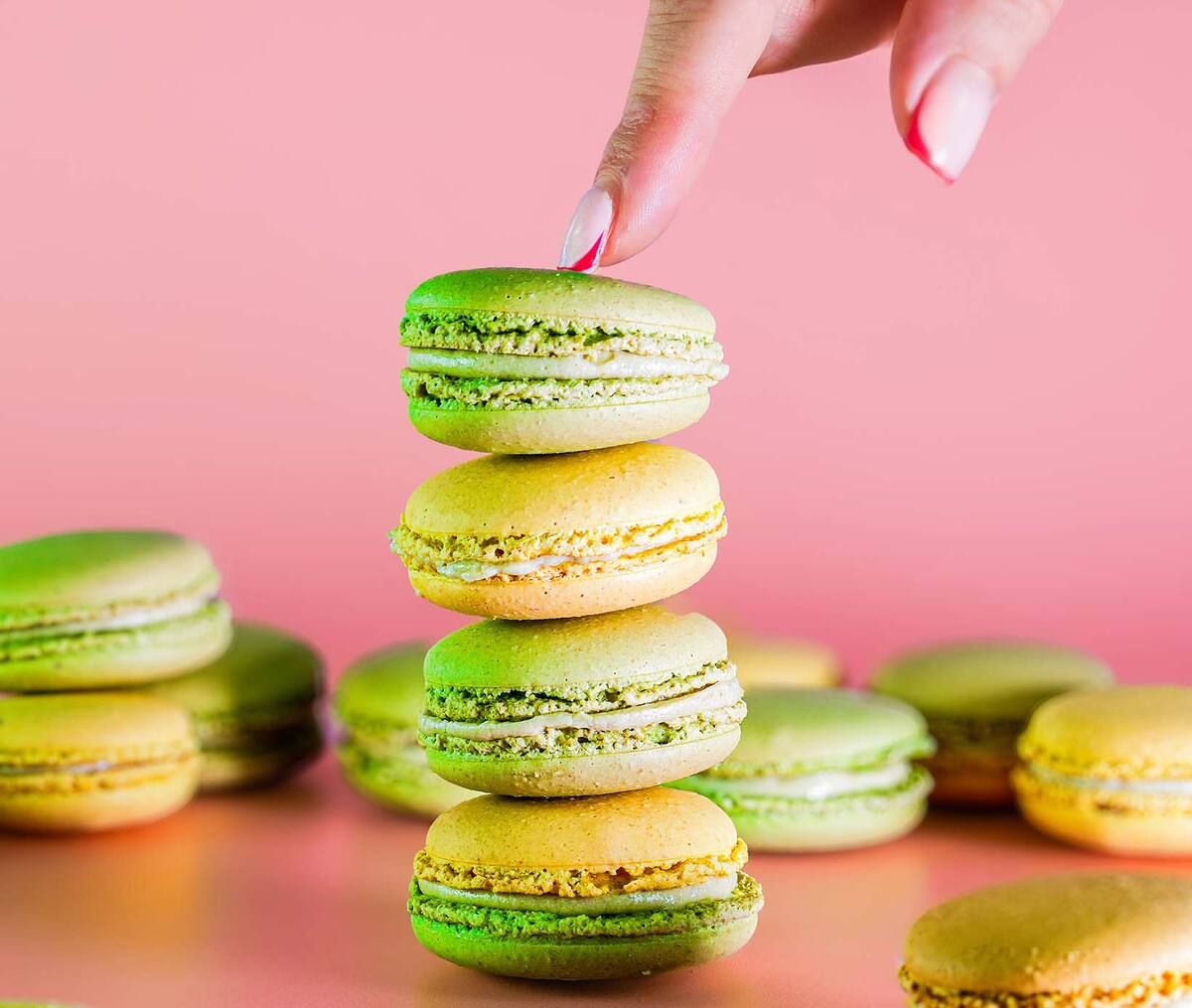
Operators might be well advised to look to the other side of the Pacific for dessert inspiration too, says Izzy Cohen, development chef at ingredients supplier Henley Bridge: “Japanese influences continue to dominate the bakery sector, with matcha and yuzu leading the way,” she says. “Japanese cheesecakes decorated with fresh fruit and cream are growing in popularity, with their light and fluffy texture appealing to consumers who are seeking sophisticated bakes.”
Olivier Briault, pastry chef and development chef for Maple from Canada UK, says: “Today’s consumers are looking for new twists on formats and flavours they know. They are keen to experiment with chocolate paired with familiar flavours such as caramel through to Japanese-inspired flavours such as yuzu or infused teas, for example.”
Ube, the vibrant purple yam from the Philippines with a nutty and a vanilla-like flavour, is also in the spotlight, says John Laughlin, operations director at ingredients suppliers Sephra and CFW. “What started as a novelty has quickly become a staple for operators looking to add something eye-catching and different to their menus. The vivid purple shade makes desserts instantly Instagrammable, and social media has been key to its rise, especially among younger customers.”
And with spectacle driving social media engagement, Laughlin advises: “Dessert drops – whether it’s sauce poured over a cake or a dome that melts away – are designed to create a moment as much as a flavour. Our topping sauces are perfect for this, but the luxury option is Sephra Belgian chocolate, with the ideal fluidity for that flawless pour thanks to its cocoa butter content.”
Go for a twist on tradition
Taking inspiration from a little closer to home could point the way for coming trends too. “Spanish Turrón de Alicante (PDO) – a traditional almond nougat – is being reinterpreted in modern pâtisserie formats, from ice-creams to plated desserts, giving it fresh relevance for UK menus,” says Simon Atkins, UK and EU bakery industry expert and advisor to the EU’s ‘More Than Only Food & Drink’ campaign.
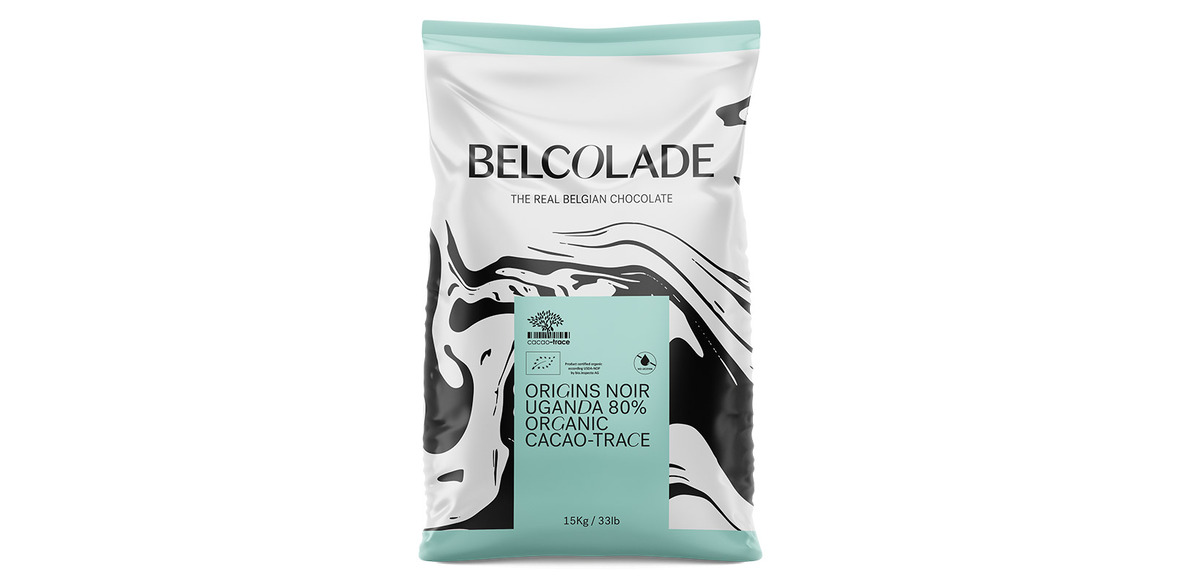
He adds: “Belgian single-origin and single-estate chocolates are set to grow, with consumers increasingly drawn to provenance and story. By highlighting cocoa origin, chocolatiers are offering UK operators a powerful premiumisation tool.”
Matt Grenter, sales manager at French pâtisserie supplier Symphonie Pasquier, has noticed a similar pattern: “We are seeing the UK market intrigued by single-origin status, and a return to simpler ingredients and recipes that are genuine and traditional. It’s not enough to simply jump on a trend – for a venue to stand out, they need to create their own interpretation of a trend, stamped with their own brand.”
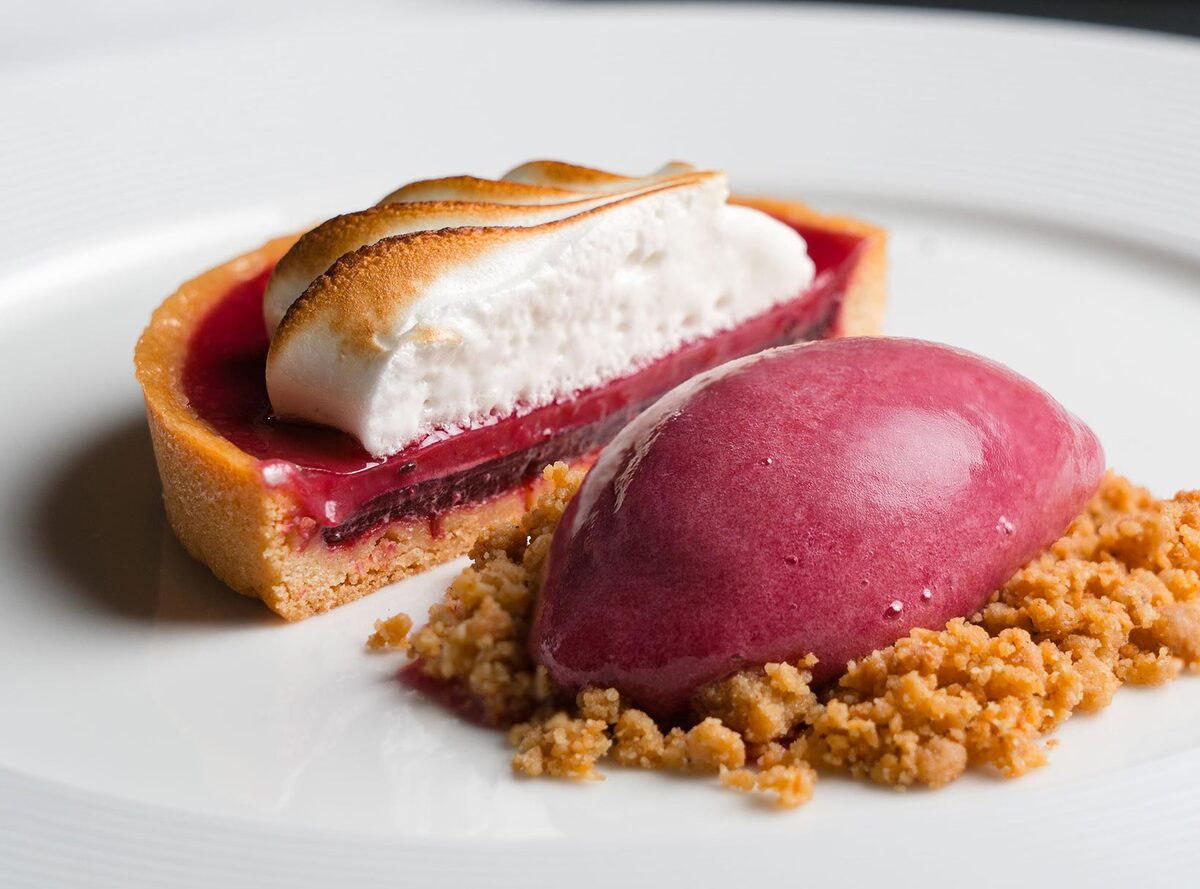
For example, the brand has introduced Tartelettes Citron Meringuées ‘à l’Italienne’, a classic lemon meringue with added colour and zest from either a tangy red berry or passion fruit jelly, encased in a butter shortcrust pastry and topped with poached Italian meringue.
Chocolate challenge
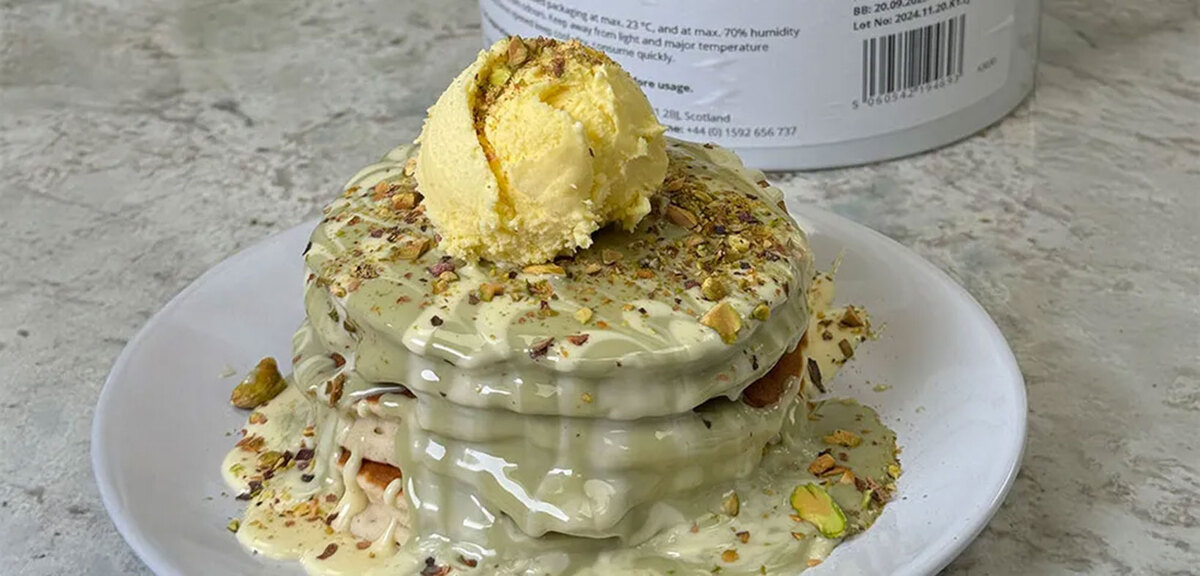
Chocolate prices rose 15% over the past year, according to the Office for National Statistics, in the wake of record global cocoa cost hikes, meaning chefs may want to look at making more of other less expensive ingredients. Briault says: “The cocoa crisis means that pastry chefs are experimenting with other ways they can keep the chocolate content down and then dialling up the flavours with other ingredients, such as caramels, almond or pistachio pastes, or using novel, fruit-based fillings of on-trend fruits such a white strawberries, cherry or Korean pear.”
And with consumers increasingly seeking sweet treats that fit into balanced lifestyles, Plamil’s business development manager Nicky Main says that “the demand for products without refined sugar has surged”.
Plamil already offers chocolate made using xylitol sourced from Finnish tree bark, and is also launching date powder-sweetened chocolate, which uses plant-based sweetener that also delivers fibre and minerals. “This gives operators an easy way to cater to growing expectations for healthier, less processed ingredients while still delivering rich, creamy chocolate,” she says.
Nevertheless, visual appeal will remain king, as Laughlin concludes: “2026’s dessert trends show customers are looking for colour, texture, story and impact. For businesses, the key is ingredients that deliver on taste and look just as good online as they do on the plate.”
Suppliers
Compleat Food Group www.compleatfood.com
Enjoy, it’s from Europe (EU) enjoy-its-from-europe.campaign.europa.eu/united-kingdom/en
Henley Bridge www.hbingredients.co.uk
Maple from Canada www.maplefromcanada.co.uk
Pidy www.pidy.co.uk
Plamil Foods plamilfoods.co.uk
Sephra www.sephra.com
Symphonie Pasquier www.symphoniepasquier.com/en
Main photo: Yakup YENER/Shutterstock




More from The Caterer
Most Popular





The Caterer People Summit 2026
 Thu May 14, 2026
 The Line, London
The Acorn Awards 2026
Sun Jun 7, 2026
The Cateys 2026
Tue Jul 7, 2026
Natural & Organic Food Show
Wed Sep 16, 2026ExCel London


The Caterer provides trusted hospitality news, analysis and trends for restaurants, hotels and catering professionals.

Jacobs Media is a company registered in England and Wales, company number 08713328. 3rd Floor, 52 Grosvenor Gardens, London SW1W 0AU.
© 2026 Jacobs Media
