



 Menu
Menu


Monitor, measure and manage: Food waste made simple
There’s still time to create an efficient waste management policy before the Simpler Recycling rules come into force in April
The smart use of ingredients not only helps with running costs, it’s also a boon for sustainability, so minimising waste is a win-win.
There’s even an increased risk of financial penalty if smaller operators don’t manage their waste streams sufficiently. From April 2026, the government’s Simpler Recycling rules will apply to businesses with 10 or more full-time employees, even if staff are spread across multiple sites.
As larger groups have experienced since 31 March 2025, the regulations mean that all businesses must separate waste into residual (non-recyclable) waste, food waste, paper and card and dry recyclables (plastic, metal and glass) or face £110 fixed penalties or escalating fines of up to £5,000.
According to Grant Keenan, managing director of recycling services provider Keenan Recycling, the biggest mistake organisations can make is waiting until the last minute. “Leaving it too late puts pressure on systems, resources and ultimately the business itself,” he says. “Simpler Recycling offers businesses a chance to reduce waste, cut costs and operate more sustainably, but only if they act proactively.”
Measure to manage
But how should operators shrink their waste output, and how can technology aid food waste strategies?
Luke Slater, technical and policy director at the Foodservice Equipment Association (FEA), pointed to AI-assisted systems, which can monitor waste going into prep bins, servery counter return waste and waste disposed by consumers.
“The data they provide can be hugely beneficial for menu planning, portion control and training the kitchen brigade in best practice,” he says. “Weighing systems are simple to operate and can be used to monitor total goods in versus dish recipes versus waste out, helping to understand the percentage of waste generated.”
One of these AI-powered platforms is Dynamify. Chief executive and founder Maxwell Harding says that studies have shown that sites that actively track food waste data can reduce waste by up to 50%. “The solution starts with a simple truth – you can’t cut what you don’t count,” he says.
“The level of detail matters because food waste hides multiple issues. It’s important to know if the waste is coming from over-prepping, trimming, spoilage or plate waste, and each requires a different fix. When operators can see the root cause clearly, they can make confident changes instead of guessing.”
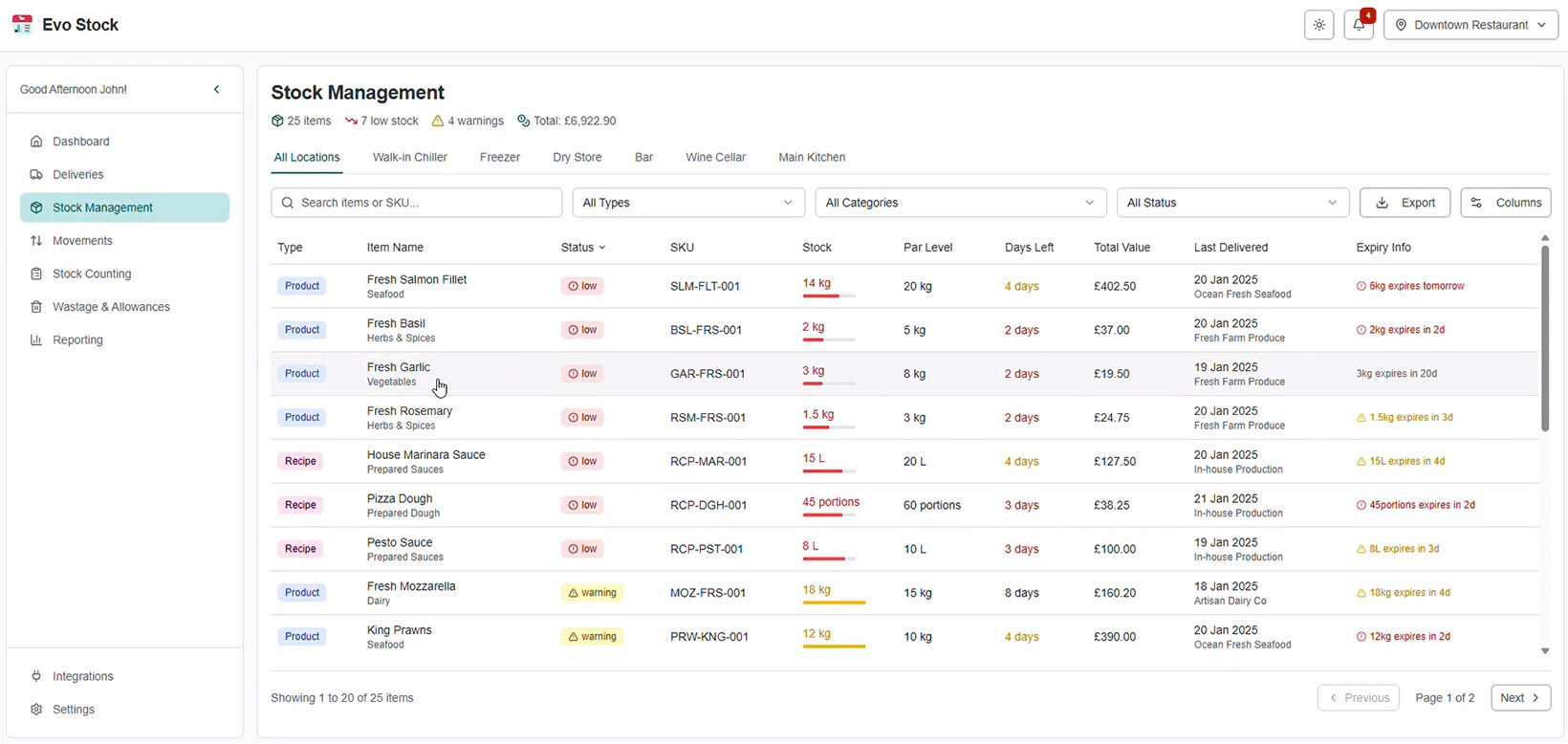
Access Hospitality says food waste issues can be exacerbated by stock management problems. Its recent AI in hospitality survey highlighted that 56% of operators miss out on upsell opportunities due to stock shortages and 48% regularly experience under-ordering issues.
Commercial lead Andy Sestak says: “Systems such as Access Procure Wizard Evo can accurately forecast demand by analysing sales data and live reservations so operators know exactly what to prep ahead of time, reducing excessive ordering and last-minute purchases.”
Rafa Liñán, chief executive of digital food safety platform Andy, suggests treating food waste as an operational signal rather than just a compliance task. “When waste data is captured consistently and reviewed regularly, it becomes a powerful tool to improve purchasing decisions, kitchen planning and ultimately profitability,” he says.
Andy centralises waste reporting data across kitchens and enables teams to identify avoidable waste linked to stock rotation, portion planning and production forecasting. It reports that its clients often achieve food waste reductions of around 10%-20% within the first few months of structured tracking, alongside improved consistency across sites.
Take stock
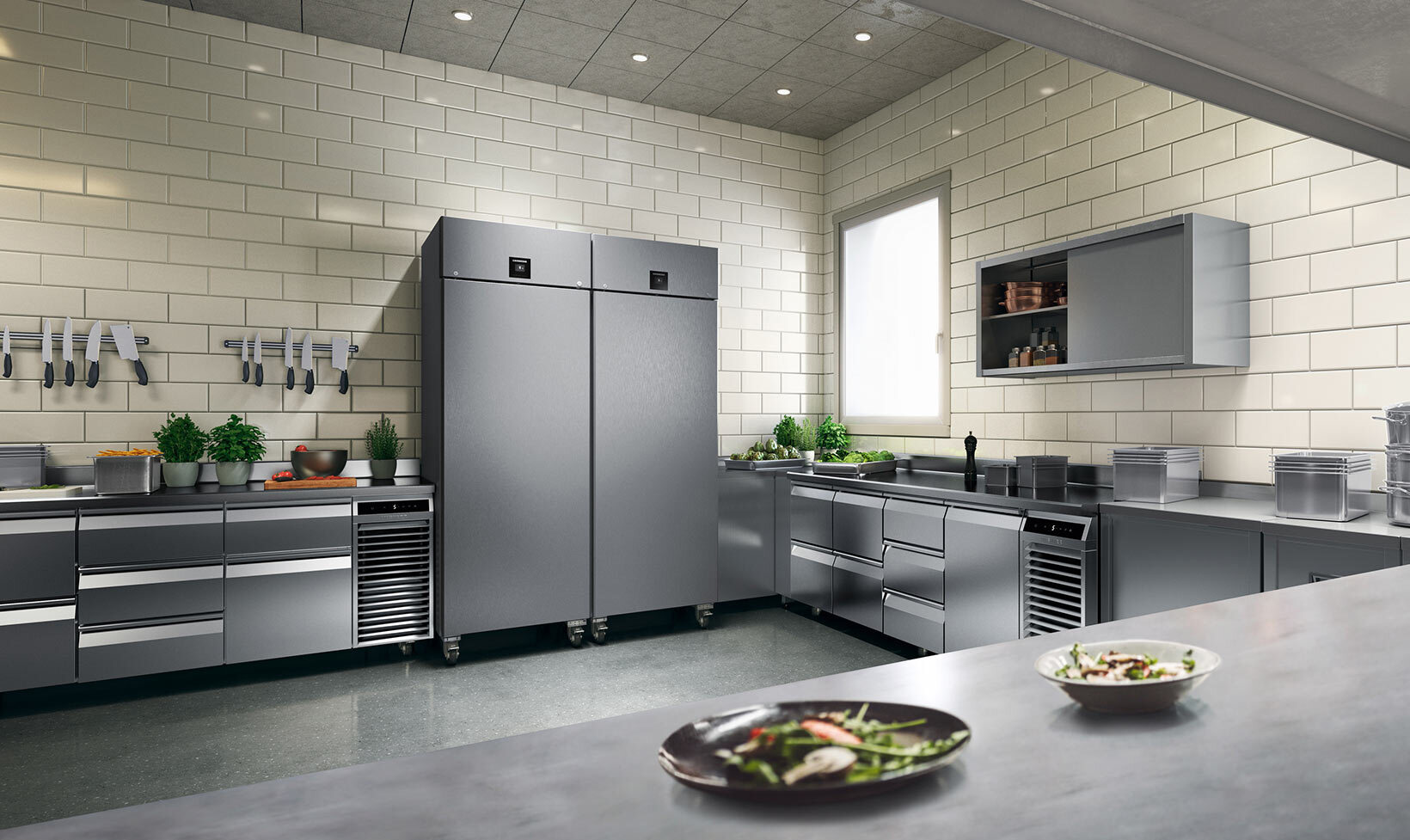
The battle against waste is won or lost inside the fridge, according to Liebherr UK business and industry national sales manager Stephen Ongley. “When operators rely on substandard cooling, they aren’t just risking energy inefficiency, they are effectively allowing the loss of quality in their most valuable assets: their ingredients,” he says.
“At Liebherr, our engineering focus is on eliminating the temperature fluctuations that accelerate spoilage. Our professional range is designed to maintain a precise internal climate, even in extreme ambient conditions and through the rigors of constant door openings.”
Simon Britten, head of marketing at wholesaler Lockhart Catering Equipment, advised operators to use systems such as first-in, first-out (FIFO) stock rotation to ensure older products are used first, which “reduces the likelihood of stock being pushed to the back of the fridge and forgotten about”.
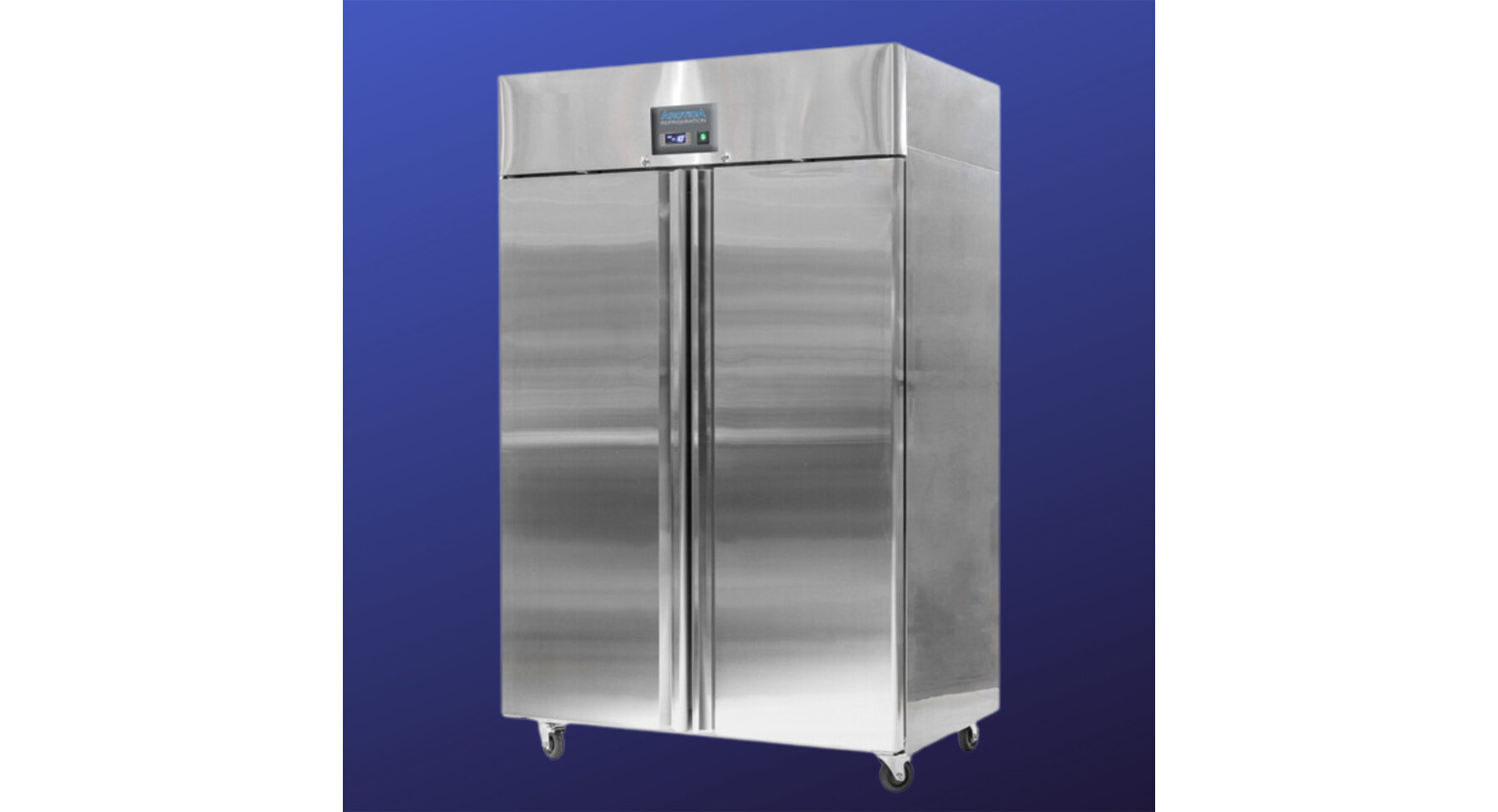
He believes these efforts can be consolidated by choosing “naturally efficient equipment”, such as Lockhart Catering Equipment’s Arctica refrigerator range. The heavy duty upright cabinets have a Climate Class 5 rating, which means they can operate in temperatures of up to 40°C.
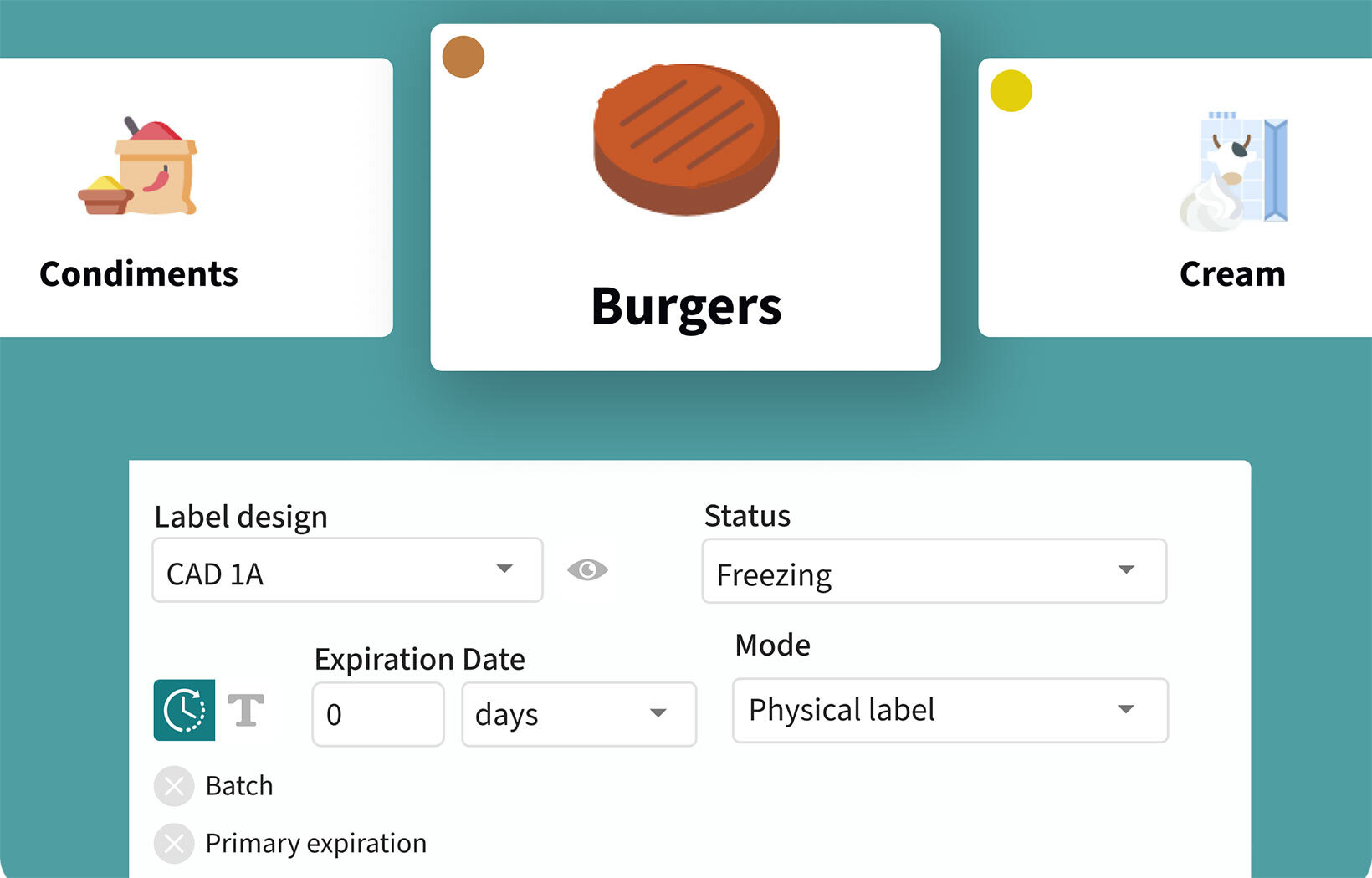
Accurate food labelling can bolster FIFO, reducing overproduction and unnecessary disposal. Zodiac Stainless Products’ new range of labelling solutions includes a variety of stickers for different purposes, designed to eliminate ambiguous preparation dates and missing allergen information by making critical information clear, consistent and visible.
Automating refrigeration monitoring may help to extend food longevity too. The Monika system’s Equipment Management function uses discreet in-unit sensors to simulate the temperature of perishable food items rather than simply recording the air temperature inside the unit for improved accuracy. Should a unit move outside a predetermined safe temperature range, team members can be nominated to receive alerts via Monika’s smart cloud-connected system, allowing staff to take corrective action and relocate food before it spoils.
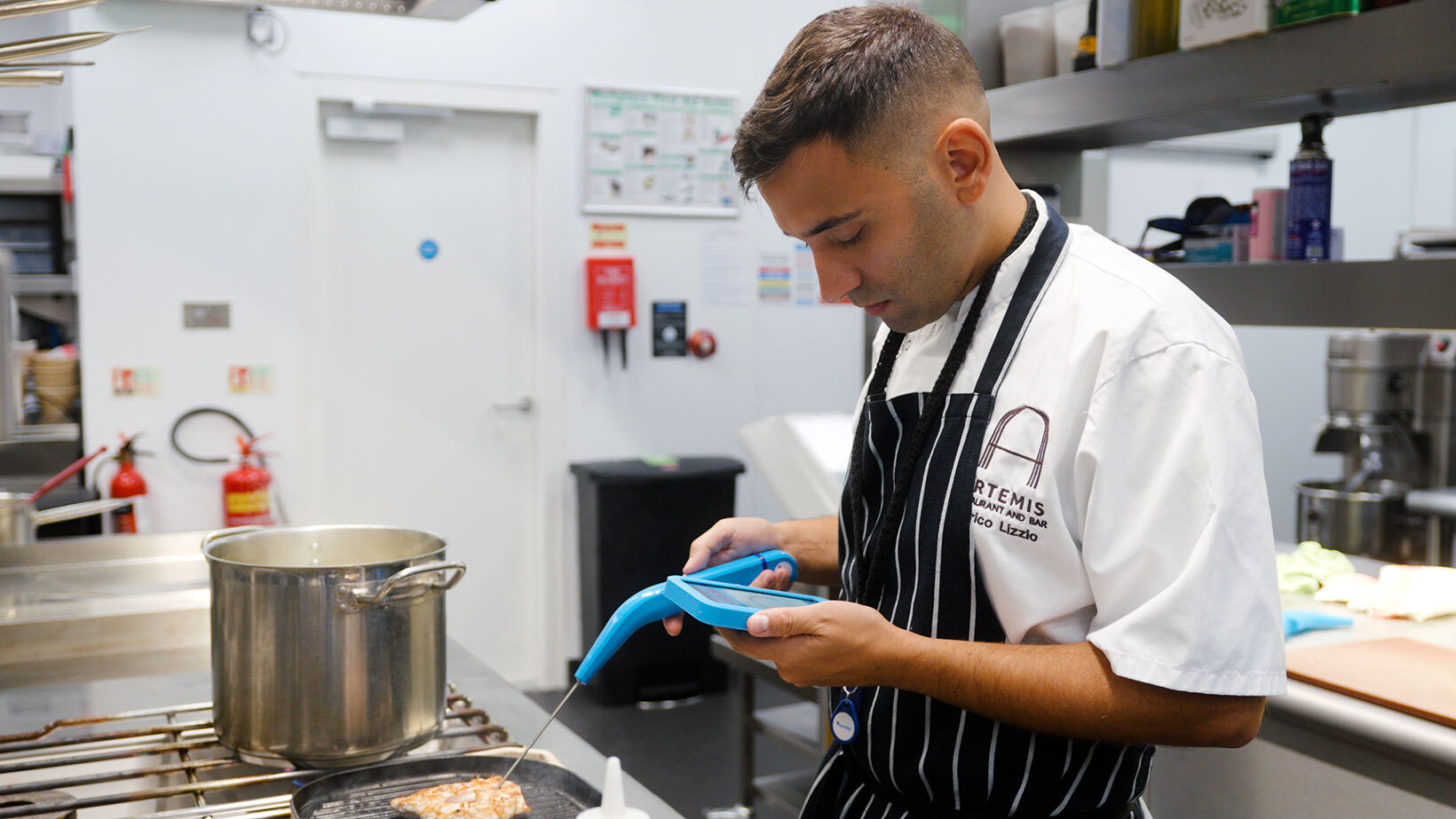
Enrico Lizzio, head chef at the Denton, an Elysian Residences care home in Berkhamsted, says: “When one of the freezers was not working properly. I noticed it straight away as Monika was sending me emails with the alerts. Monika was showing the unit was reading -11°C, when it was supposed to be -18°C. Because of this, I passed a message on to the maintenance team and we managed to repair it.”
Clear the air
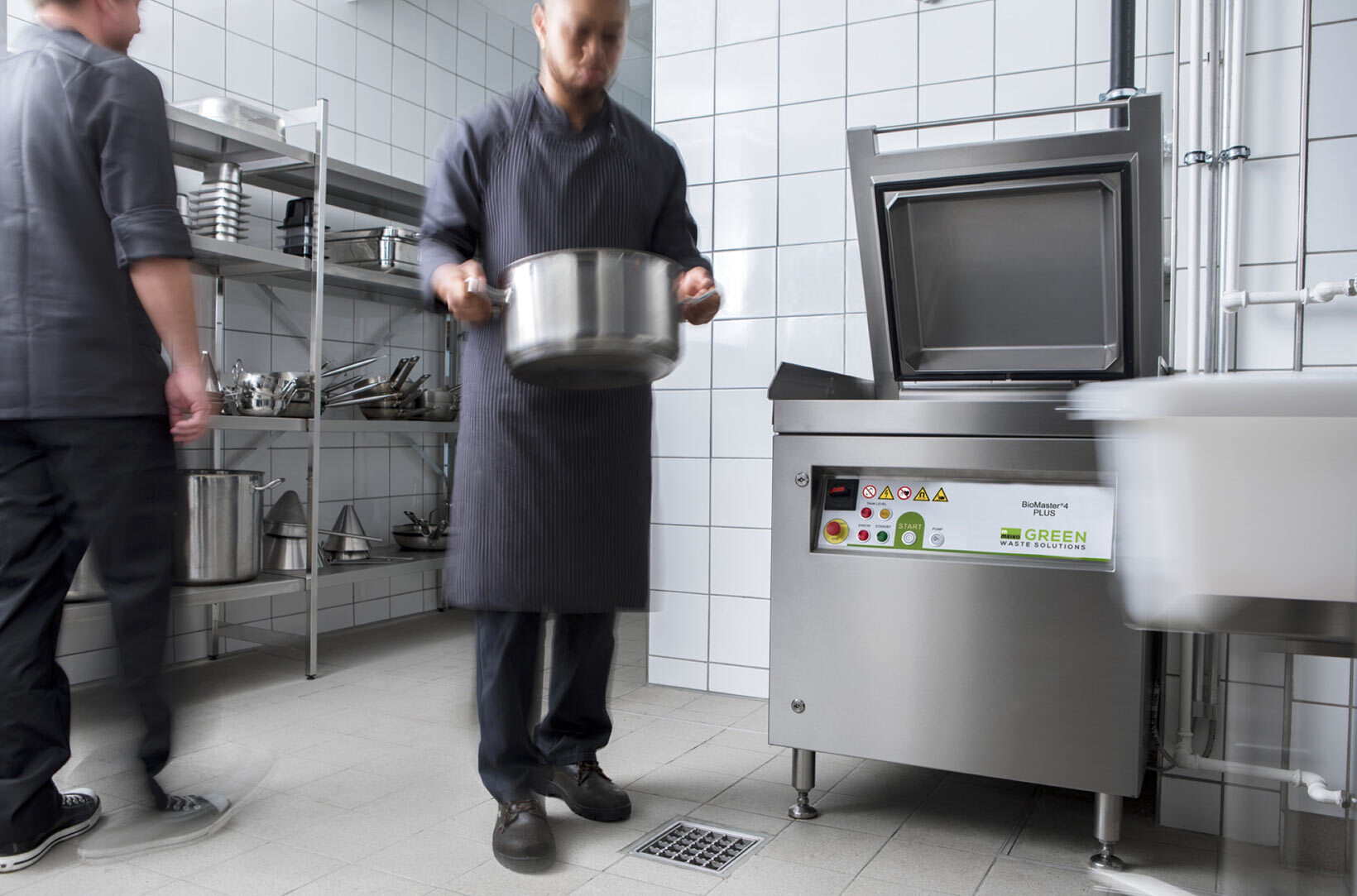
In most professional kitchens there will inevitably be a certain amount of unavoidable food waste. Meiko’s BioMaster is an appliance for the kitchen that processes food waste and stores it as biomass, ready for collection, when it can be taken away and converted to fertiliser. The appliance cuts labour and improves hygiene as well as saving space by removing the need for bins in commercial kitchens. The range can fit into the dishwashing process, where most food waste accumulates.
Meiko UK managing director Paul Anderson says: “The BioMaster system creates much-needed leverage to improve a caterer’s position when negotiating collection contracts and extends the waste collection frequency, reducing HGV traffic.”
Whether it’s preventing or dealing with food waste, regulation compliance needn’t be a burden for operators, thanks to clever equipment.
Suppliers
Access Hospitality www.theaccessgroup.com
Andy www.andyapp.co.uk
Dynamify www.dynamify.com
FEA www.fea.org.uk
Keenan Recycling www.keenanrecycling.co.uk
Liebherr www.liebherr.com/en-gb
Lockhart Catering Equipment www.lockhart.co.uk
Meiko www.meiko-uk.co.uk
Monika www.monika.com
Zodiac Stainless Products zodiacspco.co.uk
Photo: Daniel Knoll/Shutterstock









Most Popular






The Caterer People Summit 2026
 Thu May 14, 2026
 The Line, London
The Acorn Awards 2026
Sun Jun 7, 2026
The Cateys 2026
Tue Jul 7, 2026
Natural & Organic Food Show
Wed Sep 16, 2026ExCel London


The Caterer provides trusted hospitality news, analysis and trends for restaurants, hotels and catering professionals.

Jacobs Media is a company registered in England and Wales, company number 08713328. 3rd Floor, 52 Grosvenor Gardens, London SW1W 0AU.
© 2026 Jacobs Media
