


 Menu
Menu


Starbucks recovery strategy begins to pay off
CEO Brian Niccol, who was credited with boosting the fortunes of Chipotle, was brought in to turn around the iconic coffee brand 18 months ago
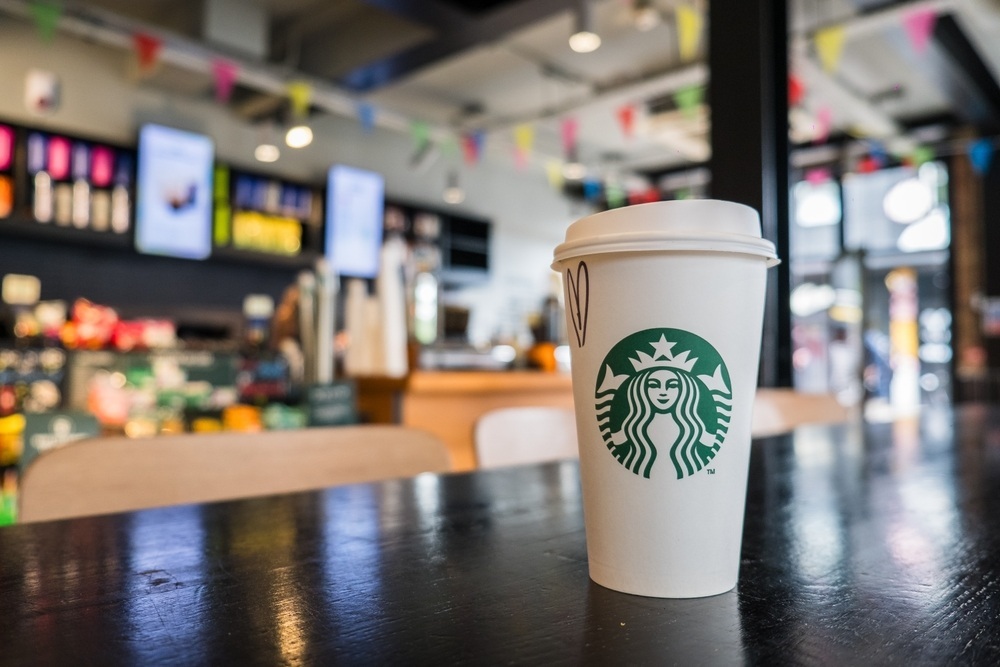
Starbucks’ turnaround strategy is beginning to show promise as the business revealed an increase in global like-for-like store sales of 4% in the 13 weeks to 28December 2025.
Its ‘Back to Starbucks’ strategic turnaround plan was introduced by chief executive Brian Niccol, who joined the business in late 2024.
Niccol, who has been credited with reviving high-street brand Chipotle, was brought in to turn around the coffee giant, which had been losing market share to a wave of new coffee rivals.
The plan focused on enhancing the in-store experience, including the return of writing customer names on cups, as well as shortening wait times, removing charges for non-dairy milk, and refocusing its marketing from discounts to brand storytelling.
Last year, Starbucks admitted that replacing people with technology had damaged customer experience as it committed to increase staff levels in its cafés.
For years the brand had a global cultural impact unlike any other coffee chain, but flagging sales spooked investors.
Starbucks now seems to be showing positive signs of recovery, with Niccol stating an increasing number of customers are choosing to buy their coffee from Starbucks “more often”.
International like-for-like store sales increased 5%, driven by a 3% increase in like-for-like transactions and a 2% increase in customer spend.
Niccol said: “Our Q1 results demonstrate our ’Back to Starbucks’ strategy is working and we believe we’re ahead of schedule. It’s great to see the sales momentum driven by more customers choosing Starbucks more often, and this is just the beginning.
Cathy Smith, chief financial officer, added: “With our ’Back to Starbucks’ initiatives gaining traction, we have clear line of sight to translating topline strength into sustainable earnings growth that positions us for long-term profitable growth.”
While sales grew, Starbucks operating margin shrank 11.9% from 16.7% in the prior year, driven by labour investments to support its customer-first turnaround plan, as well as inflationary pressures including tariffs and elevated coffee pricing.
Photo: Cloudy Design/Shutterstock





More from The Caterer
Most Popular

The Caterer People Summit 2026
 Thu May 14, 2026
 The Line, London
The Acorn Awards 2026
Sun Jun 7, 2026
The Cateys 2026
Tue Jul 7, 2026
Natural & Organic Food Show
Wed Sep 16, 2026ExCel London


The Caterer provides trusted hospitality news, analysis and trends for restaurants, hotels and catering professionals.

Jacobs Media is a company registered in England and Wales, company number 08713328. 3rd Floor, 52 Grosvenor Gardens, London SW1W 0AU.
© 2026 Jacobs Media
