


 Menu
Menu


Where hospitality businesses waste money on training — and how to fix it

How much should you spend on a Learning Management System?
Hospitality businesses across the UK are being forced to look for savings. According to a recent CGA report, over two-thirds of operators say they’ve had to reduce operational spending due to rising costs and political uncertainty in the UK market.
That means training — and the platforms that power it — are under the spotlight.
The award-winning training provider Tayl has provided a few tips on how to cut training costs in this quick article.
Why an LMS might save you more than it costs
An LMS (Learning Management System) is a platform that delivers training and helps your business stay compliant. If you already have one, skip ahead — but if you don’t, it’s worth understanding where the savings come from.
Even if it looks like a cost on paper, an LMS can remove time-consuming admin that adds up fast. In fact, according to IBM, companies that use e-learning tools like LMS platforms can save up to 50% on training costs compared to traditional methods — and reduce training time by as much as 60%.
Here are just a few places where non-LMS based manual training processes quietly cost more than you think:
- Chasing completions: Managers following up via WhatsApp, paper forms or emails
- Paperwork overload: Printed materials, manual sign-offs, folders of certificates and spreadsheet tracking
- Inefficient onboarding: New starters repeating content or missing key info entirely
- Compliance panic: Scrambling to show records before inspections
- Site-by-site inconsistency: Different processes lead to confusion and duplicated effort
- Time off the floor: Hours spent in training rooms instead of serving customers
So, the training itself doesn’t always cost much – it’s everything around it.

How much should you spend on an LMS?
The short answer: it depends on what you need.
At the low end, you’ll find pay-per-course models — for example, around £20 for a basic food hygiene course, or up to £130 for more in-depth Level 3 training.
For ongoing learning and compliance tracking, many platforms use per-user pricing, starting from around £1 per user per month, depending on the features included. Some platforms charge more for automation tools, support, or branded experiences. Others bundle everything together at a flat monthly fee.
The key is to make sure you’re only paying for what you use, and not getting locked into an expensive, oversized system that doesn’t match your needs.
Hidden LMS costs to look out for
Whether you’re in the middle of a contract or looking for your first platform, keep an eye out for common traps:
- Long-term contracts: Many platforms are inflexible and lock you in before you’ve even tested engagement
- Overcomplicated dashboards: A system is only useful if people actually use it
- Support that’s not there when you need it: Real-time help matters in busy operations
- Overpromised AI: AI features sound impressive, but ask yourself: do they make the day-to-day easier? Or are they just marketing gloss?
- AI slop courses: Check if the company has certified courses and not just generated a bunch from the latest AI tool
- Modular pricing: Make sure adding a course builder, integrations or any extra features later won’t be too costly.
5 quick tips to spend smarter on training
- Audit your current process How much time are managers spending chasing completions, printing materials, or updating spreadsheets?
- Avoid long contracts Look for month-to-month or short-term options — your business changes fast, and your tools should too.
- Prioritise mobile-first tools Training shouldn’t require a desktop. Make it easy for teams to learn on the go.
- Choose tools with real support Make sure someone’s there to help when you need it — not just an AI chatbot.
- Measure engagement, not just completion The best systems don’t just tick boxes — they actually help staff learn and apply what they know.
Cut costs, not corners
Training is essential — especially when margins are tight. But if your current training setup creates more admin than answers, it might be time to reassess.
Ask yourself: Are we spending more time managing training than benefiting from it?
The right system doesn’t need to be complicated or expensive — just focused, flexible, and fit for hospitality.
At Tayl, we built our LMS for busy managers, rotating teams, tight margins, and minimal admin time.
That’s why Tayl was named:
- 🏆 Best Value LMS
- 🌟 Easiest to Use LMS
There are no long-term contracts, no hidden fees — just simple, effective tools to help teams learn, stay compliant, and stay focused on service. What’s more is on average we reduce costs by up to 30% for hospitality businesses like yours.










More from The Caterer
Most Popular




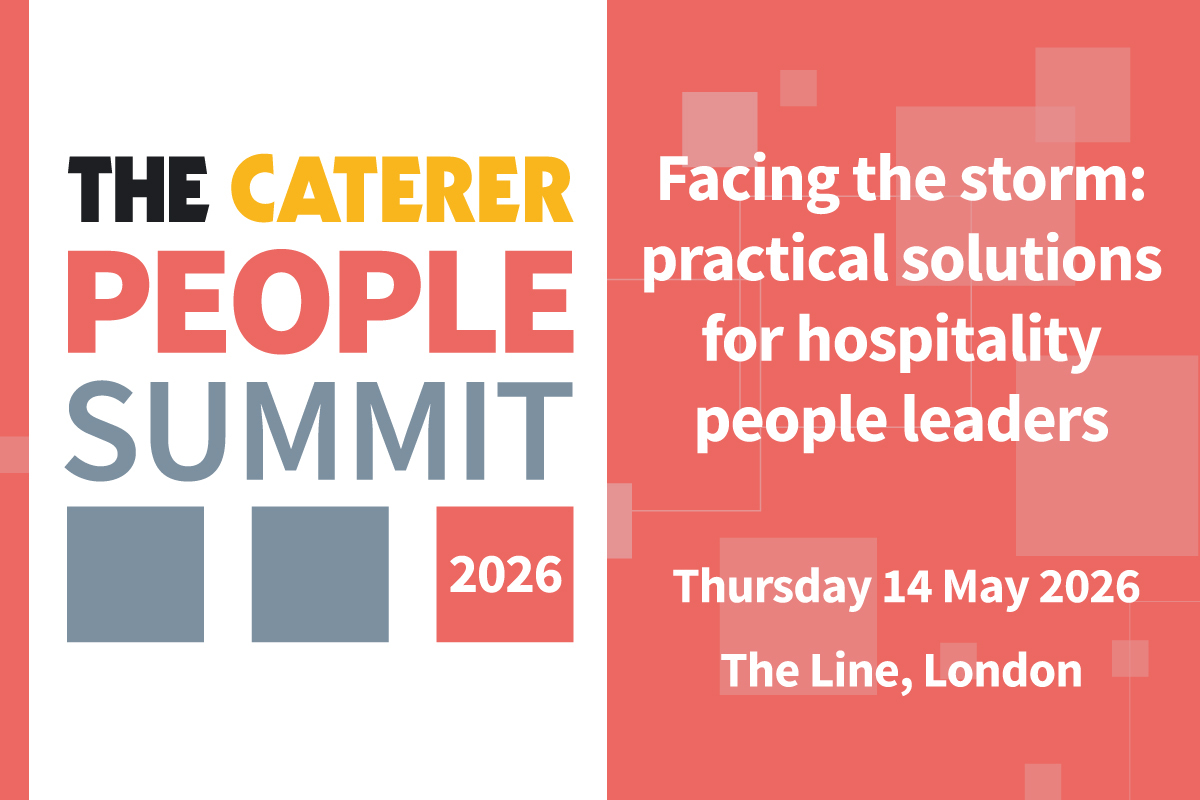
The Caterer People Summit 2026
 Thu May 14, 2026
 The Line, London
The Acorn Awards 2026
Sun Jun 7, 2026
The Cateys 2026
Tue Jul 7, 2026
Natural & Organic Food Show
Wed Sep 16, 2026ExCel London


The Caterer provides trusted hospitality news, analysis and trends for restaurants, hotels and catering professionals.

Jacobs Media is a company registered in England and Wales, company number 08713328. 3rd Floor, 52 Grosvenor Gardens, London SW1W 0AU.
© 2026 Jacobs Media
