



 Menu
Menu


5 things we learned from the Shift Work in Hospitality Webinar
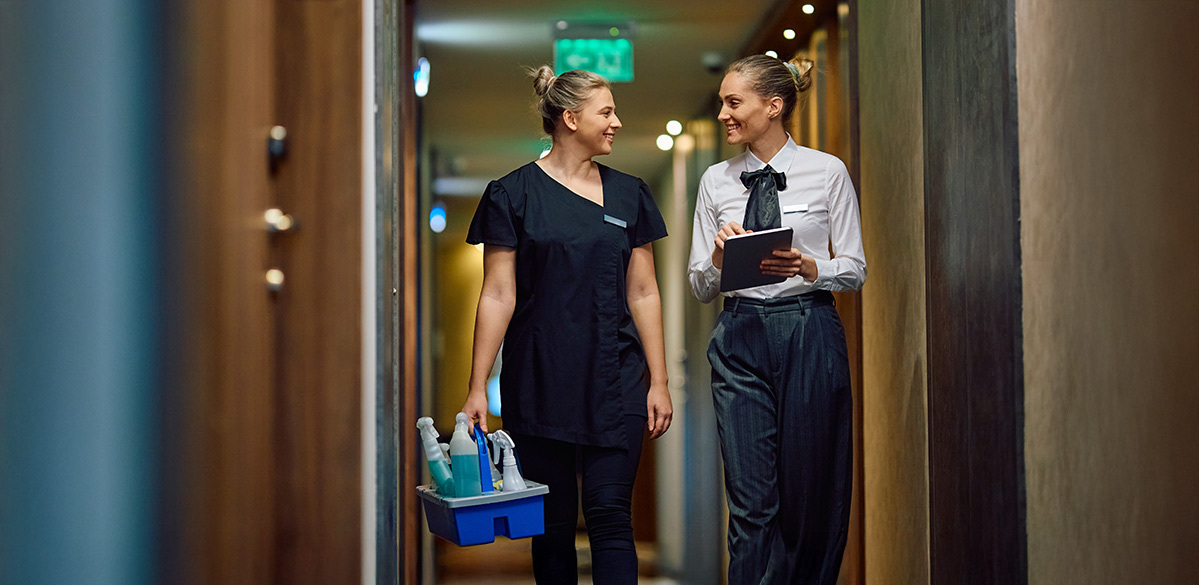
Speakers at The Caterer’s Shift Work in Hospitality Webinar explored how best to look after your shift workers, from setting rotas months in advance to ensuring night-time staff arrive home safely
Managing shift work can be complex, with rotas and schedules requiring time, thought and careful planning in order to suit both the business and employees. The Caterer’s Shift Work in Hospitality Webinar put this challenge in the spotlight, exploring the realities of running shift-based teams and sharing practical strategies for success.
The webinar, sponsored by workforce management platform Deputy, drew on data from more than 430,000 shift workers gathered in Deputy’s Big Shift Report. Speaker Dr Shashi Karunanethy, chief economist at Geografia, the demography and economics consultancy that partnered with Deputy to analyse the findings from the report, was joined by Liz Flynn, people director at London pub group Cubitt House, who shared insights from the eight-site group’s experiences of managing shift workers.
Both speakers provided many salient and practical tips and advice. Here are their five best tips from the summit.
Say hello to Gen Alpha
In the next decade, the number of Gen Alpha in the workforce will surpass both Millennials and Gen Z combined, according to Karunanethy. He highlighted that hospitality operators need to prepare now, thinking carefully about how to accommodate this “digitally native and flexibility-first” generation.
Operators will need to embrace technology and flexible working models to attract and retain Gen Alpha talent, and those who adapt early will be best placed to build a motivated, engaged and future-ready workforce.
Embrace micro-shifts
An emerging trend in hospitality is the rise of the micro-shift – shorter, more flexible shifts of six hours or fewer. For operators, they can offer a smart way to schedule rotas and cut costs during quiet periods while still covering peak demand, and for staff, they can provide flexibility that fits around other commitments.
Combining traditional scheduling with micro-shifts can boost service quality, improve staff retention and tap into underused talent pools by opening the sector up to skilled workers who cannot take on full-time hours.
Karunanethy said that Gen Alpha and Baby Boomers are most likely to embrace micro-shifts to fit in with their lifestyles, and Flynn said that Cubitt House employs mothers who previously held senior hospitality roles but now prefer shorter shifts to balance work and family.

Be aware of poly-employment
Poly-employment, or holding multiple jobs, is becoming increasingly common. According to the report, hospitality has the highest proportion of poly-workers at 44%, followed by healthcare at 11%.
Poly-employment can offer opportunities for both operators and staff: Flynn highlighted that many employees combine shiftwork with creative pursuits such as acting, and operators must accept that not every worker will view hospitality as their primary career. But she also warned that operators should keep an eye on the poly-employed, as some will pursue multiple roles in order to sustain themselves financially. If an employee is taking on more jobs to make ends meet, “that is where we need to ask ourselves, are we paying [them] enough?”. To remain competitive, operators need to understand the motivations of multi-job workers and ensure fair pay and conditions to attract and retain a committed workforce.
Ensure rotas are visible to all
Both Gen Z and Gen Alpha are requesting greater shift rota visibility, Flynn and Karunanethy shared. Flynn explained that younger hospitality workers are accustomed to obtaining instant information and so want visibility of rotas a month in advance, as planning ahead is important for their health, wellbeing and social lives. Althoug this poses a major shift for a sector used to short-term scheduling, Flynn added that it can “make us better at our jobs because they are demanding the things that maybe I didn’t demand when I was in their shoes” and therefore promoting a healthier work-life balance.
Karunanethy added that advancements in predictive scheduling and forecasting technology can help operators plan rotas weeks ahead, improving both staff satisfaction and operational efficiency: “It’s a win for you, it’s a win for workers – it’s a win overall,” he said.
Look after your night-time workers
The rise in evening and night-time spending across the UK has created new opportunities for shift workers, with the capital leading the growth. In key areas such as the City of London, Shoreditch and Soho, between 46.7% and 58% of total spending now happens during night hours, mainly at fast-food outlets and cafés.
However, understanding who is working these shifts is crucial. Women make up 56% of night-time workers, while Millennials dominate the schedule. Karunanethy highlighted that operators must consider the safety and travel needs of female staff when planning night-time shifts, ensuring that shift work aligns with worker wellbeing and safety.
From the sponsor
Deputy was honoured to partner with The Caterer for the Shift Work in Hospitality Summit – a timely deep dive into how hospitality businesses can meet the shifting demands of today’s workforce. Rooted in the findings from its Big Shift Report, Deputy shared data-backed insights into how flexible scheduling, technology and employee expectations are reshaping the workplace.
At Deputy, its mission is to improve the world of work, one shift at a time, and through events like this it aims to help managers and teams build more profitable, connected and trusted workplaces – where operations run smoothly and people feel empowered.
Terry McMillan, lead demand generation marketing manager at Deputy
Keep on top of the issues with The Caterer Summits

The Caterer Summits is a series of online and in-person events that bring together hospitality professionals and industry experts to discuss the latest trends, operational insights and opportunities to develop your business. The next event is the Chef Summit, on 23 October, a free webinar for chefs working within any area of hospitality.
Main photo: Drazen Zigic/Shutterstock












Most Popular





The Caterer People Summit 2026
 Thu May 14, 2026
 The Line, London
The Acorn Awards 2026
Sun Jun 7, 2026
The Cateys 2026
Tue Jul 7, 2026
Natural & Organic Food Show
Wed Sep 16, 2026ExCel London


The Caterer provides trusted hospitality news, analysis and trends for restaurants, hotels and catering professionals.

Jacobs Media is a company registered in England and Wales, company number 08713328. 3rd Floor, 52 Grosvenor Gardens, London SW1W 0AU.
© 2026 Jacobs Media
